
The Modern Day Dress: Effortless Style for Every Occasion
There was a time when “day dress” meant something narrow and a little uninspired – a safe, forgettable shape you wore because the occasion called for something other than jeans. That idea has quietly fallen apart. The dresses filling wardrobes now are built for actual days: the ones that start with a coffee run, slide into a work call, and end with drinks you didn’t plan on staying for. The best of them don’t ask you to change outfits to keep up.
Mini, Midi, Maxi: Silhouettes with Sensibility
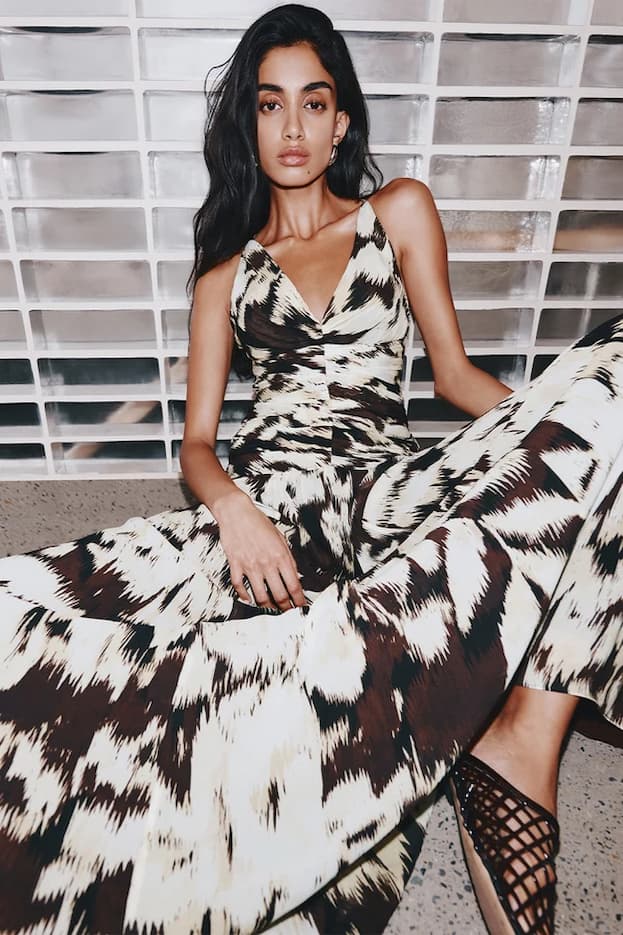
Look at how the most popular brands approach the category, and you get a useful snapshot of where day dressing has landed. Their collection moves fluidly between mini, midi, and maxi lengths, each doing a different kind of work. A mini in a soft, structured fabric reads as easy and unfussy, the kind of thing you throw on without thinking twice, yet it still holds its shape well enough to survive a full day of errands, meetings, and whatever else gets thrown at it.
A midi splits the difference between polish and ease, which is probably why it’s become the default choice for people who want to look considered without looking like they tried too hard. And the maxi, once reserved for special occasions, has been reworked into something you can genuinely wear on a Tuesday – lighter fabrics, less structure, more movement.
What ties these lengths together isn’t a single silhouette but a sensibility. Bias-cut cowls, gentle draping, cinched waists that don’t pinch are details designed to move with a body rather than around it. That’s the real shift in designer contemporary day dresses: comfort has stopped being the trade-off you make for style. It’s become part of the style itself.
The Disappearance of “Dressed Up” versus “Dressed Down”
For years, fashion operated on a kind of binary. There were clothes for the office, clothes for errands, and clothes for going out, and rarely did the three overlap. Day dresses have quietly dismantled that logic. A single dress in a good fabric, cut with intention, can now do the job of three separate outfits. Swap sneakers for heels, add a blazer or strip it away, and the same piece carries you from a 9 a.m. meeting to a dinner reservation without a costume change in between.
This isn’t laziness dressed up as trend-forecasting. It reflects how people actually live now – schedules that blur together, days that don’t have clean edges, wardrobes that need to flex rather than specialise. A dress that can only do one thing has become a luxury few people have room for, literally or figuratively.
Fabric is Doing More of the Talking
The biggest revolution in contemporary day dresses happened in the fabric, not the silhouette. Lightweight knits, fluid viscose blends, and breathable cottons have replaced the stiffer, more structured materials that once defined “daytime appropriate.” These fabrics drape rather than hold, which changes how a dress behaves on an actual body moving through an actual day – sitting at a desk, walking a few blocks, reaching for something on a high shelf.
There’s also a quieter shift toward pieces that don’t demand a specific undergarment or a particular posture to look right. Built-in linings, forgiving waistbands, adjustable straps aren’t glamorous details, but the reason a dress gets worn daily instead of just photographed for an occasion.
Colour and Print as Everyday Tools, Not Statements
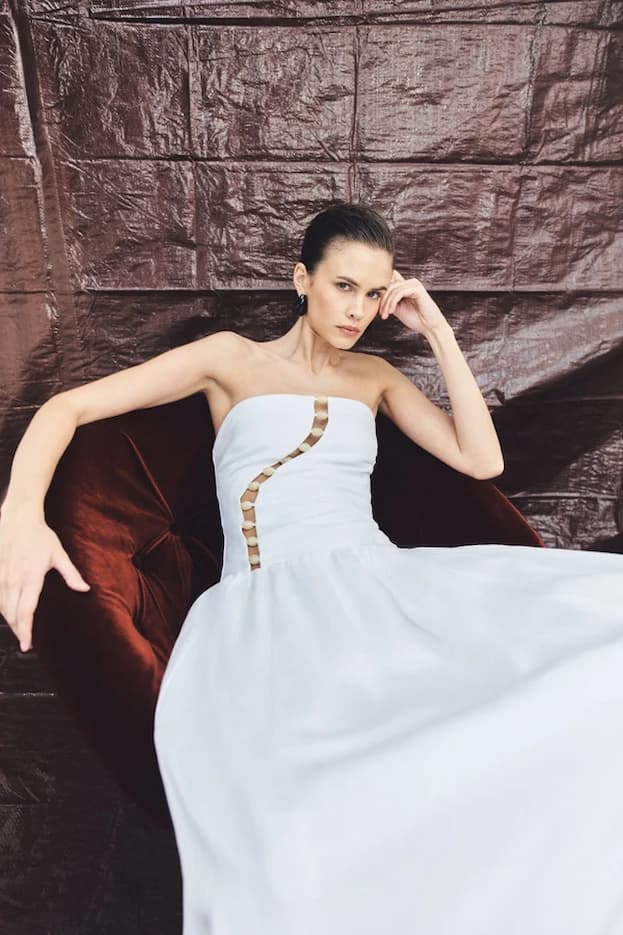
Day palettes used to lean safe – neutral, muted, unlikely to draw attention. That’s shifted too. Warm terracotta, deep olive, soft citrus tones, and painterly florals now show up as regularly as black and navy, treated less like bold choices and more like practical ones. A dress in a rich, saturated colour does the work accessories used to do. It means you can walk out the door without assembling a whole look around it.
Prints, similarly, have become more considered, smaller in scale, more tonal, easier to build around rather than compete with. The goal isn’t to disappear into neutrals or to shout. It’s to have something that looks finished on its own.
Dressing for a Life, Not an Event
There’s a reason stylists keep coming back to the dress as the ultimate shortcut. It’s a full outfit in a single garment – no mixing, no matching, no standing in front of the closet debating whether that top actually works with those trousers. A day dress solves the eternal “what do I wear” question before it even becomes a question.
Maybe the clearest way to describe where modern women’s day dresses have landed is this: they’re no longer designed around a single scenario. They’re designed around a person and the many, overlapping things she’s likely to do in one day. That means fabric that breathes, a cut that moves, and a level of polish that doesn’t need constant adjusting or a second thought once you’re out the door.
Glamour, in this context, isn’t about doing the most. It’s about having one piece that quietly handles everything, a dress that keeps up with a life that rarely slows down long enough to change outfits in between.


