
Sliding Glass Shower Screens: A Practical Guide
Have you ever tried reaching for your towel in a bathroom with a swinging shower door? If you have, then you know why sliding glass shower screens are popular. They are tidy, practical, and can be adapted to a surprising range of bathrooms. But although these screens make sense, they may not be perfect for everyone. Here’s what to know before you commit.
What Is a Sliding Shower Screen?
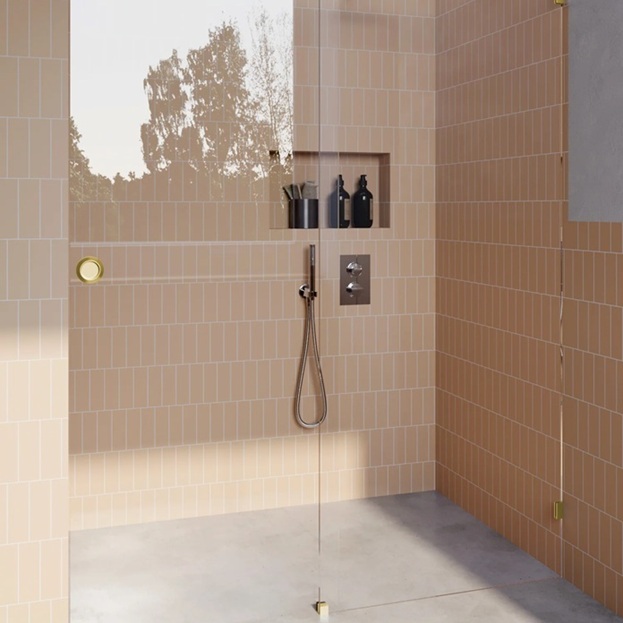
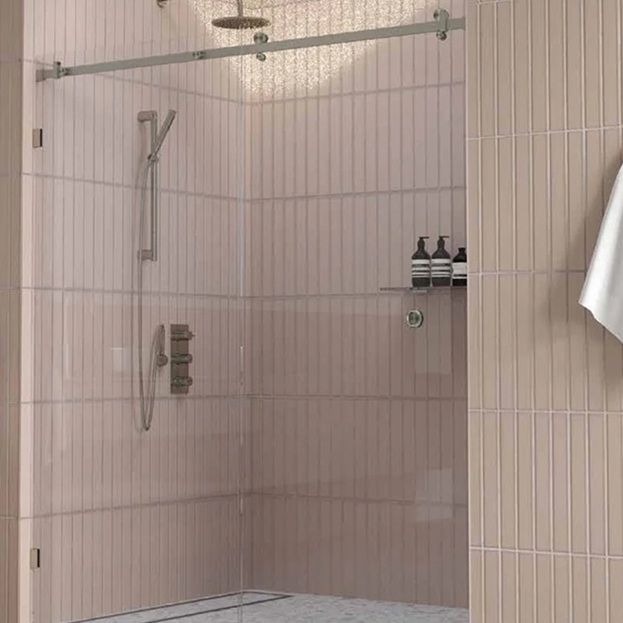
A premium-quality glass shower with sliding door or doors that slide along the track rather than swing open like the old-fashioned ones. Usually, one or two glass panels slide past a fixed panel, leaving a gap large enough to step through. The door glides along a rail, which suits compact bathrooms, narrow ensuites and showers set beside a vanity.
Key Features
Most sliding screens share a handful of traits:
- Glass type: The best material used is tempered (safety) glass with a thickness of 6 to 8 mm (framed models) or 8 to 10 mm (frameless models) and polished flat edges made to meet Australian standards. If it breaks, it crumbles into small blunt pieces rather than sharp shards.
- Frame type: You can choose framed, semi-frameless, or fully frameless designs. The edges of framed screens are aluminium or stainless steel. Frameless sliding shower screens have a slimmer top rail and thicker glass for a cleaner look.
- Finish: Clear glass will make the space seem larger; frosted, tinted or patterned glass gives you more privacy.
- Protective coatings: A lot of companies apply a hydrophobic coating to their products, which causes water to roll right off the screen and helps prevent limescale.
- Rollers and seals: A well-designed roller mechanism quietly holds the weight steady.
The Advantages
The primary benefit of a glass shower with a sliding door is that it saves space. A hinged door must have clearance for opening – typically, the width of the door itself. The sliding screen requires no clearance, making it very useful in limited spaces, en-suites, and family bathrooms where every few centimetres count.
They are also practical for everyday use. There’s no door to bump into the toilet or the vanity, and no risk of a child or pet swinging it into something. Opening and closing takes one hand.
Sliding screens are also aesthetically pleasing. A frameless design with clear glass creates a brighter interior, and the glass shows off the tiles of your bathroom.
Durability and low maintenance are the other draws. Thick toughened glass and stainless steel hardware stand up well to daily use, and wiping down the glass is simple.
Finally, a glass shower with a sliding door is easy to install. Because the panels overlap rather than needing a perfect hinge alignment, a slightly imperfect wall is less of a headache than it would be with a pivot door.
The Disadvantages
Sliding glass doors for showers are not perfect, though, and before you invest in one, keep in mind that:
You do not have complete access. Since there are overlapping panels, you can open about 50% of the length at best. This makes cleaning the shower, bathing children or assisting someone who cannot move well a challenge.
The track collects grime. The bottom rail attracts all soap, hair and mould. It requires regular maintenance, and in case of neglect, the door becomes sticky and smelly.
More joints create more places where leaks may happen. When panels overlap, some water can leak through due to poor seals or pressure inside the shower.
Low-cost products lack quality. Budget shower doors may begin rattling, pop out of the rail or develop stiff wheels after a couple of years. Replacing parts may become a challenge.
Choosing the Right Screen
- Start with the right measurements. Measure the door at the top, middle, and bottom since walls are never completely straight. Most screens run between 1900 and 2000 mm, but you can often go taller.
- Consider your family. If there are young children, elderly relatives, or anyone with mobility issues, think carefully about whether the limited opening will work or whether a pivot or walk-in design would suit better.
- Find out what kind of glass is used and its certification. Make sure that it is made of toughened safety glass and that the manufacturer mentions compliance with specific standards.
- Choose quality hardware. Check if the rollers are made of stainless steel or coated, and whether they can be adjusted or replaced. Smooth, silent motion during the demo means your screen will move smoothly years later.
- Do not forget about maintenance. If you need something easy to clean, choose a model with a removable track and glass protective coating.
- Lastly, establish a realistic budget and study warranty terms. The longer the guarantee period is, the more confident the manufacturer is.
The Bottom Line
Sliding glass shower screens are a great choice for small bathrooms and those who prefer an elegant appearance. They do require maintenance, and the size of the opening is restricted to some extent. Nevertheless, if you have chosen quality hardware and taken all necessary measurements, a sliding screen can transform a small bathroom into a beautiful and functional space.


