
Pocket-Sized Powerhouses: The Ultimate Guide to Japanese Pokémon Booster Boxes
Japanese booster boxes offer a combination of quality, value, and exclusivity that can be difficult to find elsewhere. Although they can be exciting to buy, they can also feel confusing if you’re not familiar with how they’re structured. With different set names, pack counts, rarity systems, and exclusive card variations, many collectors worry about spending money without fully understanding what they’re getting.
Learning the core anatomy of Japanese Pokémon booster packs helps remove that uncertainty. Once you know how boxes are organised and what types of cards they typically contain, it becomes much easier to choose the right products for your collection, budget, and goals.
Standard Expansions vs. High-Class Boxes
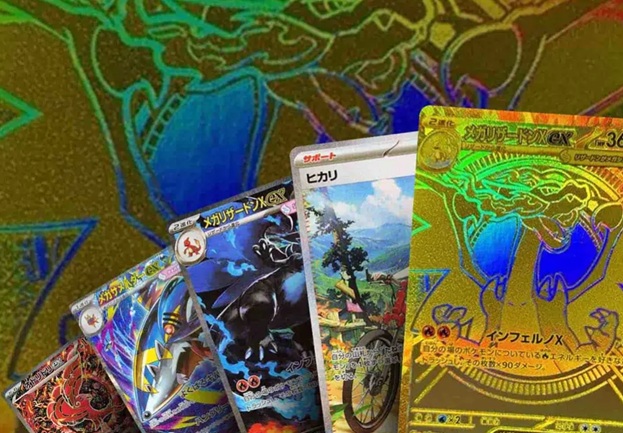
Whether you’re chasing rare pulls, completing sets, or investing in sealed products, you can unbox flawless print quality and guaranteed secret rares with authentic Japanese Pokémon booster boxes. When exploring different options, one of the first decisions collectors face is whether to choose a standard expansion box or a high-class box. While both offer exciting opportunities to grow a collection, they are designed with different goals, budgets, and collecting experiences in mind.
Standard expansion boxes form the backbone of most trading card game releases. These sets are typically launched multiple times throughout the year and introduce new cards, mechanics, characters, or strategies to the game. They are designed to keep the card pool fresh while giving players and collectors access to the latest content.
For collectors focused on completing a set, standard expansion boxes are often the most practical choice. They contain a broad range of cards, including commons, uncommons, rares, and higher-rarity chase cards. Because these products are usually more affordable than premium alternatives, they allow collectors to open more packs within the same budget.
Standard boxes also appeal to competitive players who want access to newly released cards that may influence current gameplay. Their wide variety of cards makes them ideal for building decks, trading duplicates, and steadily expanding a collection over time.
High-class alternatives are designed as premium products that deliver a more luxurious opening experience. Rather than focusing on quantity alone, these boxes often feature enhanced pull rates, special card treatments, exclusive artwork, and a higher concentration of sought-after cards.
Collectors who enjoy chasing premium cards are often drawn to high-class releases. Many packs contain multiple holographic, foil, or special rarity cards, creating a sense of excitement from the first pack to the last. This can make the opening experience feel more rewarding, especially for those who prioritise display-worthy cards over set completion.
High-class boxes may also include reprints of popular cards alongside new exclusives, making them attractive to both long-time collectors and newcomers. Their premium positioning often results in stronger visual appeal and more collectible packaging.
The Golden Rule: Guaranteed Pull Rates
One of the biggest reasons collectors are drawn to Japanese Pokémon booster boxes is the concept of guaranteed pull rates. While the exact contents vary between trading card games and individual releases, a Japanese Pokémon booster box is designed to provide a more structured and predictable opening experience than randomly purchasing loose packs.
Guaranteed pull rates help reduce the uncertainty that often comes with collecting. Rather than relying entirely on luck, buyers can generally expect a certain number of higher-rarity cards within a sealed box. This creates a sense of value and fairness, as collectors know they have a realistic chance of obtaining desirable cards without having to purchase excessive amounts of product.
For beginners, guaranteed pull rates can make collecting feel less intimidating. Instead of wondering whether an entire box might contain very few noteworthy cards, they can approach a purchase with greater confidence. Experienced collectors also appreciate the predictability, particularly when budgeting for specific sets or planning trading opportunities.
It’s important to remember that guaranteed does not mean identical. The specific cards pulled remain random, and the most valuable chase cards may still be difficult to obtain. However, the structured distribution of rarities helps create a more satisfying opening experience overall.
The Perfection of Japanese Print Quality
For many enthusiasts, the difference becomes noticeable the moment a card is removed from the pack. Colours often appear more vibrant, text is crisp and easy to read, and artwork is reproduced with impressive clarity.
The manufacturing process places a strong emphasis on consistency, resulting in cleaner cuts, accurate centring, and fewer visible defects compared to what collectors sometimes encounter in other markets. This attention to detail helps cards maintain a premium appearance and enhances their long-term collectability.
Foil and holographic treatments are another standout feature. Special cards frequently showcase sharp reflective effects that highlight artwork without overwhelming it, creating a polished and professional finish. These visual enhancements can make rare cards feel even more special.
Protecting and Spotting Counterfeits
As Japanese Pokémon TCG booster boxes continue to grow in popularity, collectors should take steps to protect themselves from counterfeit products. Fake boxes and cards can closely resemble genuine items at first glance, making it important to purchase from reputable retailers and trusted sellers whenever possible.
Start by examining the packaging carefully. Authentic booster boxes typically feature high-quality printing, sharp colours, and clean text. Blurry graphics, spelling mistakes, poor image quality, or unusual packaging materials can be warning signs of a counterfeit product. Seals and shrink wrap should also appear professional and untampered with.
When inspecting cards, pay attention to print quality, card stock, and finishing details. Genuine Japanese sets are known for their crisp artwork, accurate colours, and precise cutting. Cards that feel unusually thin, have faded colours, or show inconsistent printing may not be authentic.


