
Double Bass Care: How to Protect Your Instrument at Home and On the Go
The double bass is one of the largest and most delicate instruments. As a result, many contrabass players struggle to store and transport their instruments properly. Whether you’re a student, a professional player, or someone looking to pick up this unique instrument, knowing how to care for it properly can save you a lot of money on costly repairs and part replacements.
The Importance of Protecting Your Double Bass
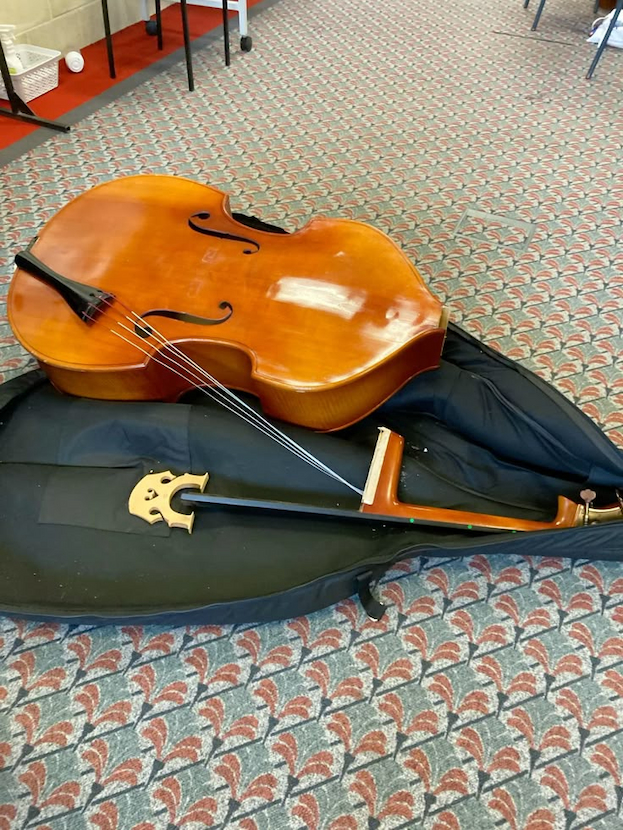
Owning a double bass is an investment in your art, but also a huge responsibility. Double basses are incredible instruments, responsible for some of the warmest melodies, but it’s a known fact that they are complicated to care for and difficult to store and transport.
Once you decide to buy a contrabass, you sign yourself up for frequent maintenance and regular tuning. But why are these menial tasks so important for the quality of your bass?
Regular cleaning and maintenance help preserve the sound quality of your instrument. Accumulated dust, loose strings and damaged components make it difficult to achieve the rich tone contrabasses are known for.
This is one of the reasons why buying a durable contrabass case is such an essential step in building the perfect care routine for your bass. A case keeps your instrument safe, upright and clean.
What’s more, wood can easily expand, crack, or splinter when exposed to moisture, which is why contrabass cases are such an important aspect of proper storage.
And above all else, if you don’t maintain your instrument’s quality, you’ll have to replace it. Double basses are costly, and frequent replacements aren’t achievable for many.
How to Store Your Double Bass Safely at Home
How you store your instrument at home is the most important aspect of caring for a double bass. Besides the shows, concerts and practices you’ll be attending, most of the time, your bass will stay in your home.
First, before storing your contrabass, you should determine a storage area. Frankly, there is no such thing as the perfect storage spot for this kind of instrument. It’s quite large, so anywhere that is dry and spacious enough for it is automatically a good choice. Avoid placing your contrabass in wet or humid environments at all costs, as moisture can damage the wood and affect its structural integrity.
Second, consider how you will store the instrument. Some musicians prefer to keep their contrabass on display using a dedicated stand. While this can look visually appealing, it is not always the safest option, as the instrument is exposed to dust, airborne particles, and general household conditions.
The best way to store an instrument at home is in a designated contrabass case that can also serve as a transport case. This way, you get double the benefits for one price. Store your instrument upright in a secure spot where it can’t fall or slip easily. Keep the room dry and at a constant temperature, as most instrument wood doesn’t respond well to sudden temperature changes.
Tips for Transporting Your Double Bass Safely
One of the most difficult things about being a contrabass player is transporting your instrument to practices and shows. Double basses are extremely large and difficult to carry. There are numerous double bass case designs that can help you transport your instrument safely, but it’s important to know how to use them correctly.
Soft carry bags usually come with multiple handles designed to lighten the burden of carrying this large instrument. You can use the two straps on the back to carry it on your back, or the single strap on the side to carry it sideways with one hand.
Do not use the side strap as a shoulder strap, as it is not designed for that purpose. Follow the instructions that come with the bag for the safest way to carry your instrument.
When transporting your double bass in a vehicle, never leave it in the trunk or on the seat. Always ensure that the neck of the instrument is secured and propped up, as it’s prone to breakage. Once you get used to transporting your contrabass, you’ll have a routine to follow each time you have to take it outside your home.
Daily Habits That Help Protect Your Double Bass
Double bass care isn’t just about safe storage and careful transport; it’s also about the small care habits that preserve the quality and sound of your bass.
Owning an instrument means having to clean it. Yes, even with proper storage, your instrument still needs regular cleaning. It’s best to use a soft cloth to wipe any dust and debris from your contrabass after a performance. If your double bass has some problem spots that are difficult to wipe with just a cloth, use a small amount of cleaning solution carefully, so as not to damage the wood.
You should also regularly check your instrument for any signs of damage. Even if you are extremely careful when transporting your bass, accidents can still occur, and it’s best to fix them when the repairs are small and cheap.
Check your strings for any rosin buildup and replace them when there is a sign of wear. Always change strings one at a time to maintain tension on the bridge of your instrument.
Conclusion
The double bass is a difficult yet rewarding instrument to play. It comes with its challenges, but its beauty and divine tone make the effort worth it. While every instrument requires special care and frequent cleaning, the double bass is more demanding because of its size and delicate nature. Safe transport and proper storage are essential for preserving its sound and quality. Ultimately, building a consistent care routine helps keep instrument maintenance simple and stress-free.


