
The Interesting Reality of Aftermarket Performance Exhausts
Out of every other system in a vehicle, the exhaust has a wide range of responsibilities. Despite being a long pipe with components connected to it, it’s actually able to reduce the harmful particles your car emits in the atmosphere. They achieve this by reducing noise, keeping the engine running efficiently, and maintaining smooth airflow after it passes through the engine.
However, stock exhausts are quite limiting when it comes to engine performance as they are made to be more restrictive than they were in the past. Thanks to the aftermarket, though, you can easily change that on your vehicle.
What to Look for in a Performance Exhaust
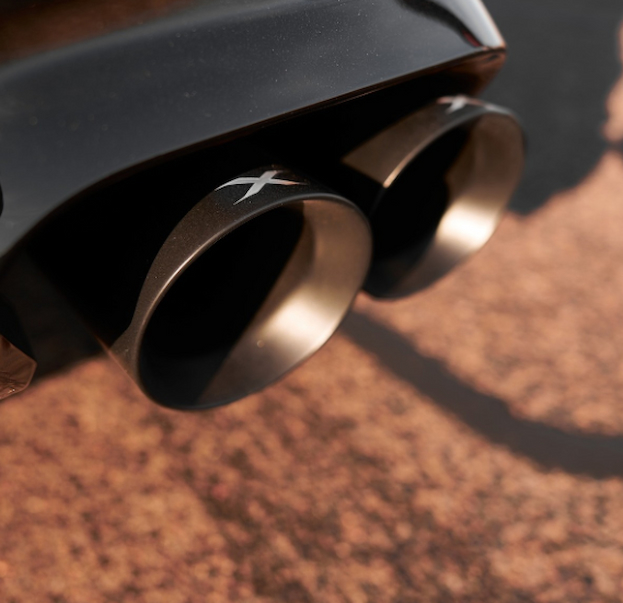
Diameter
One of the most significant changes you can make with your new exhaust system is to increase the diameter of the piping. This is one of the main reasons why a stock system is so restrictive and why an aftermarket performance exhaust allows for more power to be introduced, as more air can travel through more easily.
Bends
In a performance exhaust system, the correct bends are essential to avoid ending up with a new yet similarly restrictive system as your current one. Mandrel-bent exhausts are a great choice because they retain the same diameter throughout, thus providing smoother airflow.
Thickness
The thickness of the piping affects how well the system can handle vibrations and how durable it remains over time. Thicker, heavier exhausts can withstand stronger impacts and reduce annoying reverberations much better than thinner ones. However, thinner exhausts are more suitable for track cars as they don’t add as much weight.
Material
Exhausts come made of different materials, with performance systems being made of stainless steel and titanium. Stainless steel is the go-to for many enthusiasts as it’s a more cost-effective option since it’s quite strong and corrosion and heat-resistant. Titanium exhausts resist corrosion and heat even better and are lighter, but not as strong as stainless steel options.
Valve
If you want to be both heard on the track and quiet when driving through your neighbourhood, you should consider getting a valved exhaust. With it, you can flick a switch or press a button to open or close a valve. An open valve creates a louder exhaust note, while a closed valve keeps the sound quieter.
Resonator
A resonator is an additional component that you can get with your exhaust that helps reduce vibrations and annoying frequencies. If you want to build a sleeper car that isn’t as loud as its more noticeable counterparts, this is the way to go.
Downpipe
The downpipe sits right after the manifold and connects it to the rest of the exhaust system. The larger and straighter it is, the more air can go through it. If it has too many bends, no matter its diameter, it won’t be as performance-oriented as one with fewer bends.
Manifold
Talking about the manifold, it’s the component that links the engine to the exhaust. It has everything coming from the exhaust ports sent to the downpipe and then to the appropriate filters that clean it out so that less of it goes into the air outside.
Types of Performance Exhausts
Cat-Back
The most affordable and easiest to install an aftermarket exhaust system is a cat-back solution. This type of exhaust replaces everything from the catalytic converter to the exhaust tip(s), which is why it only improves performance a tiny bit. However, you can easily change the exhaust note with it.
Header-Back
With a header-back system, you get the most popular solution when it comes to performance, as it replaces the entire exhaust system. It allows you to get everything custom-made if you want to go that route and thus get as big a boost in performance as you want.
Turbo-Back
If you have a turbocharged vehicle and want to go even further than just an exhaust replacement, consider a turbo-back system. This type of kit replaces both the exhaust and turbo, and while being the most demanding, it also increases HP the most out of the three.
Benefits of an Aftermarket Exhaust

Cost-Effective
The main reason why people even go for aftermarket exhaust systems is that they are the most cost-effective purchase. They may be more expensive than stock exhausts, but the power gains, durability and driving enjoyment they offer make them a better long-term solution.
Options
With aftermarket exhausts, you get plenty of different solutions to choose from. The fact that you can also get a custom-made system makes them a more versatile option than OEM solutions.
Availability
You can get aftermarket exhaust systems at almost every car parts shop across the country. This means you don’t have to search long before you find what you need, unless it’s something specific that requires a welder’s help.


