
A Guide to Choosing and Styling Women’s Raincoats
Rainy weather doesn’t have to mean sacrificing style for practicality. In fact, a well-designed raincoat can be one of the most versatile and stylish pieces in a wardrobe. Rainwear has come a long way from the stiff rubber coats of the past. Earlier rain garments were often heavy, uncomfortable, and poorly ventilated.
Because there are so many options available, choosing the right rain coat for women depends on several factors. Climate, daily activity level, and personal style all play a role in finding the ideal piece. Understanding these elements can help ensure your raincoat works as well functionally as it does aesthetically.
Understanding the Technical Specs: The “Dry” Facts
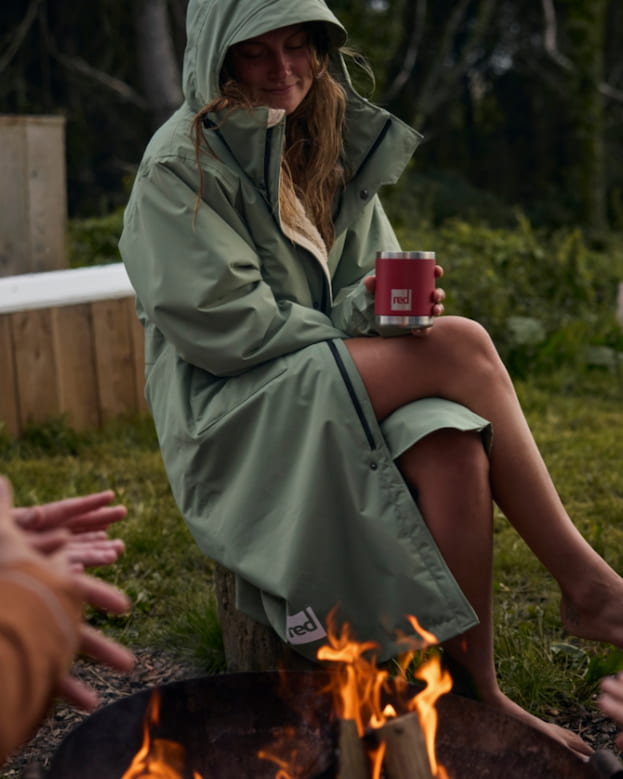
Today’s comfy women’s rain coats are not only designed to protect against the elements but also to complement everyday outfits, functioning as both protective outerwear and a fashionable layering piece. Before focusing on colour and style, it’s helpful to understand the technical features that make a raincoat effective.
Waterproof vs. Water-Resistant
The first distinction to understand is the difference between waterproof and water-resistant fabrics. Water-resistant materials are designed to repel light moisture such as drizzle or brief showers. They typically use coatings that cause water to bead and roll off the surface. However, during prolonged rain, water may eventually penetrate the fabric.
Waterproof fabrics, on the other hand, are designed to block rain entirely. These materials use specialized membranes or layered constructions that prevent water from entering while still allowing airflow. If you live in an area with frequent heavy rainfall, a fully waterproof women’s rain jacket is often the better investment.
Breathability
Breathability is just as important as waterproofing. When a jacket traps body heat and sweat without releasing moisture vapour, it can feel uncomfortable, almost like wearing a plastic bag.
Breathable fabrics allow perspiration to escape while still preventing rain from entering. This feature is measured through “moisture vapour transmission,” which essentially describes how effectively a fabric allows sweat to evaporate. For active use, a breathable rain jacket for women makes a noticeable difference in comfort.
Seam Sealing
Even if a jacket’s fabric is waterproof, stitching can still allow water to seep through tiny holes. That’s why seam sealing is a critical feature in quality rainwear. Taped or heat-sealed seams cover the stitching with protective layers, preventing leaks and ensuring full waterproof performance. Jackets without sealed seams may work well in light rain but struggle in heavier downpours.
Strategic Features to Look For
Beyond basic fabric technology, several design features can significantly improve a raincoat’s functionality.
The Hood
A well-designed hood can determine how comfortable your raincoat feels during a storm. Look for adjustable toggles that allow you to tighten the hood around your face, preventing wind and rain from entering. Some hoods also include small brims or visors that help keep water away from your eyes. For cyclists or outdoor enthusiasts, helmet-compatible hoods provide additional space without compromising protection.
Ventilation
Even breathable fabrics benefit from extra airflow during active use. Many modern rain jackets include underarm zippers that allow heat to escape quickly. Back vents or mesh-lined openings also help regulate temperature, especially when moving between outdoor rain and indoor environments.
Fastenings
Two-way zippers are a practical feature that often goes overlooked. They allow the jacket to open from both the top and bottom, which is particularly useful when sitting, driving, or cycling. Storm flaps add an additional barrier against rain and wind.
Cuffs
Adjustable cuffs are another useful feature. Velcro or elastic closures prevent rainwater from travelling up the sleeves, keeping arms dry even in windy conditions.
Styling Your Raincoat
While technical performance is essential, the visual appeal of rainwear is equally important. A well-chosen raincoat can elevate an outfit while keeping you protected.
The Colour Palette
When selecting women’s rain coats, colour plays a major role in determining how versatile they will be. Classic neutrals such as beige, navy, and black offer timeless appeal and easily match a variety of outfits. These shades work especially well for professional settings and everyday commuting. On the other hand, bold colours like yellow, red, or neon green create a vibrant statement. These shades also improve visibility during gloomy weather, which can be helpful for cyclists or pedestrians.
Layering Strategies
Raincoats often need to accommodate seasonal layering. During colder months, wearing sweaters or chunky knitwear beneath your coat requires a slightly roomier fit. For spring and mild climates, a slimmer silhouette may feel more comfortable and streamlined. Considering how you plan to wear your coat throughout the year can help determine the best size and style.
Footwear Synergy
Rainwear works best when coordinated with the right footwear. Chelsea-style rain boots provide a sleek, urban look that pairs well with tailored coats. Lug-sole loafers or waterproof ankle boots offer another stylish option for city environments. For more casual outfits, sporty sneakers or outdoor boots can complement a technical women’s raincoat design, creating a balanced and functional look.
Weatherproof Your Wardrobe
Rather than replacing a poorly made coat every season, a thoughtfully chosen rain jacket can last for years while maintaining both function and appearance. Most importantly, the right raincoat removes the stress of unpredictable weather. When you know your jacket will keep you dry and comfortable, rainy days become far less inconvenient.


