
The Essential Climbing Shoes Guide: Types and Features
Rock climbing is a sport in which people climb natural rocks or artificial indoor walls using ropes and specialised climbing footwear. As the name suggests, these shoes are designed specifically for this sport to provide you with good grip while climbing. The thing that makes them different is their high-friction rubber sole and tight, form-fitting shape designed to help climbers climb both natural rocks and artificial walls. Usually, these shoes have an inward curve for improved comfort and more power while climbing.
Types
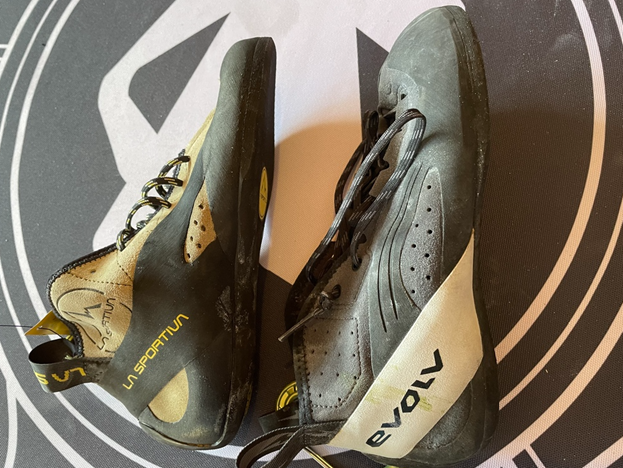
Being available in different inward curves means you can choose from a selection of durable climbing footwear differing in type, appearance and fit. This gives you the freedom to browse through all models available on the market in order to choose the right one.
Neutral
Also known as flat, the neutral climbing shoes offer a more relaxed fit for improved comfort throughout the day. The secret behind these shoes’ popularity is their ability to allow toes to lie flat inside the shoes. They’re designed to fit comfortably, which makes them the first choice among beginners and intermediate climbers; however, this doesn’t mean that experienced climbers can’t wear them.
Aside from providing them with all-day comfort, especially when climbing outside for several days in a row, these shoes can also take pride in their medium-to-stiff midsoles and thick rubber soles for improved support. Being relatively flat is another advantage they have, especially for slotting into cracks. An important thing to have in mind before buying them is that their relaxed, more comfortable fit is not designed for difficult overhanging routes.
Moderate
Moderate climb shoes have a slightly downturned shape known as camber, making them the perfect option for sport and gym climbing, bouldering and trad routes. They are known as all-purpose types of climbing shoes designed to handle slab routes, long multi-pitch climbs, crack climbs, and slightly overhung sport routes.
Having a downturned shape puts your feet into a stronger and more powerful position than the previous model. Additionally, they have a sticky sole for improved grip, and all of this makes them perfect for climbing on more challenging rocks and walls.
However, keep in mind that they aren’t the best option for very overhung routes and challenging rocks and walls.
Aggressive
As you can already assume, these shoes are designed for challenging overhanging climbs thanks to their downturned toes and lots of heel tension to put your feet in a strong and powerful position. Most of these shoes have an asymmetric shape that curves toward the big toe, in order to give more power over the toe for more precise placements on small holds. These shoes have a very snug fit, meaning that they are better worn for single-pitch climbs rather than all-day.
These shoes also have thinner and stickier rubber soles for better grip and feel, but as mentioned, they’re the least comfortable option so far. Unlike the previous type, this one doesn’t fit well into cracks because of its shape and thinner soles, which also tend to wear faster.
So if wondering, do climbing shoes really make a difference? They truly do, especially in performance and grip. And their unique characteristics are what make them different from hiking shoes.
Features to Look for in Them
Materials
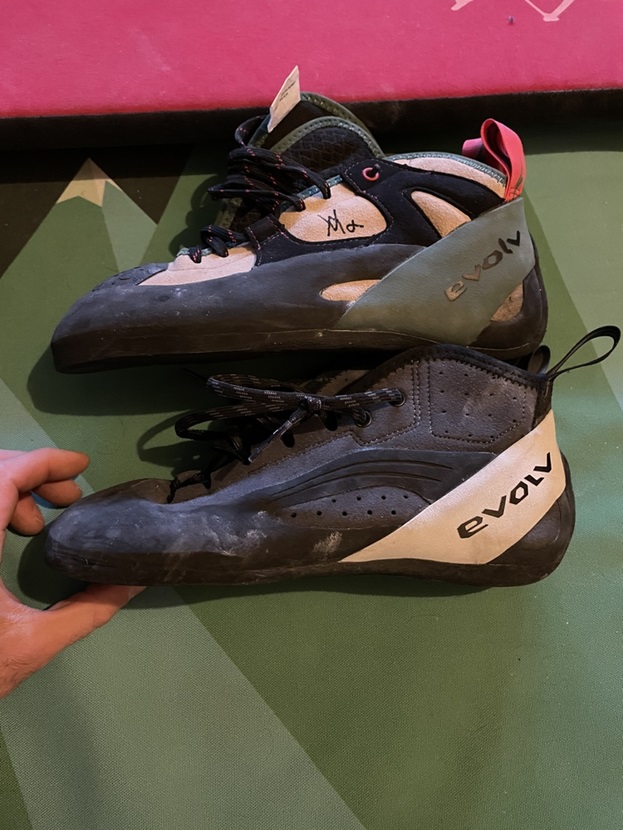
First things first, no shoe hunt should start without considering the material first (aside from the type of course). Just like any other shoes, the upper material of these is usually made from leather or synthetic material, and both of them are a good choice.
Leather
Whether lined or unlined, leather seems to be the softest, comfiest and easiest to care for.
Unlined
The unlined leather shoes can stretch up to a full size, and you should choose ones where your toes should just touch the end of the shoe.
Lined
Being lined means the stretch in these shoes is reduced to a half size or less. Being lined increases their price, however, in order to reduce the cost, some manufacturers line only the toe area.
Synthetic
Unlike leather, these shoes don’t stretch that much, meaning that their fit won’t change that much over time. For increased comfort, make sure to choose materials that offer greater breathability and moisture-wicking.
Closure
Lace-up
Lace-up shoes seem to offer greater fit adjustment, which is one of the reasons why people prefer choosing shoes with such closure. How come?! Well, feet tend to swell, so the lace-up system allows you to adjust the laces and improve your comfort.
Strap
Strap closure, also known as “hook-and-loop”, is another popular choice mainly for its convenience.
Slip-on
Also known as slippers, these shoes have an elastic closure system, making them the easiest to put on and take off, without compromising on comfort. Given that they don’t offer the needed support, they are better for being used for training.


