
From Survival to Style: 10 Handy Uses for Paracord Bracelets
Ever spotted someone on a hike or at a survival expo wearing a thick, braided bracelet and wondered what it’s for? Odds are, it’s not just a rugged fashion choice. Those are survival bracelets, which are incredibly useful tools disguised as wristwear. Originally designed for military use, this simple accessory has many practical uses in the great outdoors or everyday life. From setting up camp to fixing gear on the fly, this lightweight and compact item can come in handy in tricky situations.
Definition
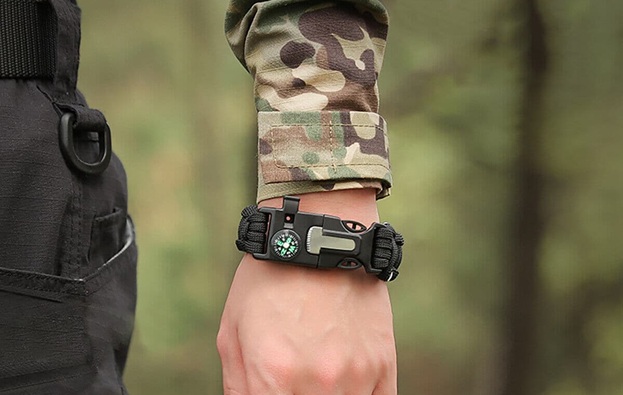
They might seem like just cool accessories at first glance, but there’s a lot more to versatile survival paracord bracelets than meets the eye. Take the 5‑in‑1 design, for example. It’s more than just a cord wrapped around your wrist. It includes a ferro rod, striker, compass, whistle and is crafted from heavy-duty 550-lb, 7-strand paracord.
In an emergency, it unfolds into a toolset for navigation, signaling, fire-starting or basic trail needs. On the other hand, the EDC Prepper Bracelet includes an LED light, cutting blade, compass, firestarter, a fishing kit, handcuff key and more. It even has an internal core with essentials like fishing line, tape, hooks and water purification tablets.
What makes these items so useful is how easily they can be unravelled and put to work. Need to tie down gear, set up a quick shelter, or improvise a sling? You have what you need, right there on your wrist. That strong, lightweight cord can handle a surprising amount of stress, hence its popularity with everyone from campers to military personnel. People who spend time in unpredictable environments appreciate having a bit of extra security and these wristbands offer just that, without weighing you down.
Uses
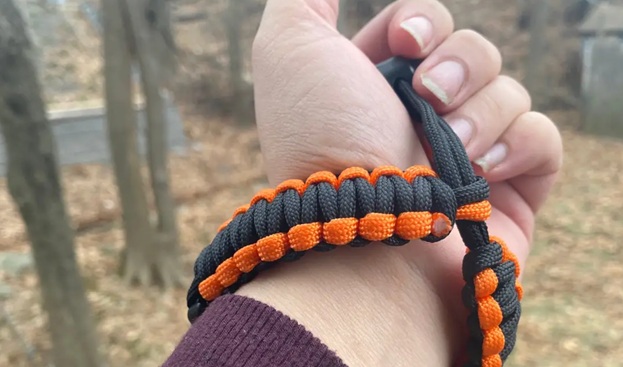
So, what’s the use of a paracord bracelet? Apart from offering a rugged style, these bracelets are hidden survival tools. This seemingly simple accessory can unravel into a strong, versatile cord that comes in handy for dozens of practical outdoor uses. Whether you’re in the woods for fun or facing an emergency, here are ten smart ways to put that cord to work when it counts:
- Emergency first aid: In the middle of nowhere, and someone gets hurt? That cord can become a makeshift sling, help secure a splint, or even act as a stretcher when combined with sturdy sticks. It’s not going to replace proper medical gear, but in a pinch it can help stabilize injuries or stop bleeding until real help is available.
- Makeshift fishing line: The inner strands of survival paracord bracelets can be used to fish. With a hook and some bait, you can tie one of the smaller threads to your stick and try your luck. In a survival situation, that could be the difference between dinner and an empty stomach.
- Survival snares: If you’re off the grid and desperate for food, you can use the inner cords to build a snare trap for small animals. It’s not for casual use or fun, but in a survival emergency it’s a skill worth knowing.
- Shelter setup: Whether you’re tying a tarp between trees or building a lean-to from branches, having strong cordage is essential. It’s quick to tie, holds firm and can support the structure of a temporary shelter when the weather takes a turn.
- Quick gear fixes: Tear your backpack strap? Rip a jacket seam? No problem. The inner threads can double as sewing string or be used to tie broken gear parts together. It might not look pretty, but it’ll hold long enough to get you through.
- Hanging food in bear country: Camping where bears might roam? You’ll want to keep your food high off the ground and away from your tent. Paracord can help you hoist your food bag into a tree, out of reach of curious wildlife.
- Handy compass lanyard: Need your compass within easy reach while navigating tough terrain? Use a section of cord to hang it around your neck so you can check directions on the move without digging through your pack.
- Fire starting help: Some survival wristband designs include flammable strands built right in, but even the basic version can be taken apart for fine inner threads that make great tinder. Or use the full cord to power a bow drill if you’re working with primitive fire-starting methods.
- Camp security: A bit of cord strung between trees at shin height can act as a makeshift tripwire. Add a few noisy items like a tin can or utensils, and you’ve got yourself a basic warning system around your camp.
- Boating backup: Out on the water? That cord can be used for temporary tying, throwing a line to someone overboard, or even towing light gear behind your boat.
Brief History
This type of bracelet didn’t just earn its reputation in the trenches; it made its name in outer space as well. Originally developed for military parachutes back in World War II, this tough nylon cord quickly became a go-to tool for soldiers in the field. They found all kinds of clever ways to use it beyond the obvious, such as lacing up their boots or rigging quick repairs.
But its usefulness didn’t stop with the military. When astronauts were working on the Hubble Space Telescope in 1997, they ran into a serious problem: parts of the telescope’s insulation had been compromised. With limited tools on hand and the pressure of a space mission looming over them, they turned to some unexpected supplies to fix it, including paracord. Along with zip ties, wires and plastic clips, it played a part in helping them patch things up and keep the mission moving.


