
Horseshoes: Types, Benefits and Buying Considerations
Since the earliest days of domesticated horses, hoof care has been at the heart of equine well-being. Centuries ago, blacksmiths crafted metal shoes to protect horses’ hooves from rough terrain and overuse. A tradition that shaped the foundation of modern farriery. But in today’s world, equine care has evolved far beyond the traditional iron nail-on shoe. Enter hoof shoes, a modern alternative designed to protect without restriction. These innovative products are removable, reusable, and made from durable materials.
Different Types of Horseshoes
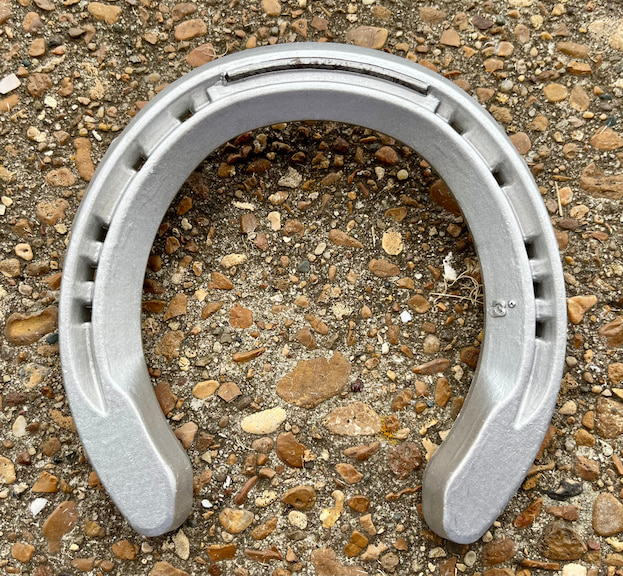
Horseshoes have come a long way from simple iron crescents to specialised designs engineered for performance, comfort, and protection. The right hoof shoes for comfort depend on a horse’s activity level, terrain, and hoof health.
Traditional Steel Horseshoes
Steel remains the most common and time-tested material for horseshoes. These shoes are exceptionally durable and long-lasting, making them ideal for working horses, trail riders, and competitive disciplines that demand strength and resilience.
Steel horseshoes are typically chosen for:
- Heavy-duty work, such as farm or carriage horses.
- High-impact activities like show jumping or eventing.
- Horses are prone to wear on hard or abrasive ground.
However, steel shoes are also heavier, which may affect movement for some horses, especially those in lighter or more agile disciplines. They also require a professional farrier to fit and nail properly, meaning they’re not a DIY-friendly option.
Aluminium Horseshoes
Aluminium shoes offer a lightweight alternative to steel and are particularly popular in racing and performance horses. Because they are lighter, aluminium shoes help horses move more freely and naturally, improving speed and gait.
Key benefits of aluminium horseshoes include:
- Reduced weight, easing strain on joints and tendons.
- Excellent shock absorption improves comfort on harder surfaces.
- Better flexibility, allowing more natural hoof expansion and contraction.
However, aluminium is less durable than steel and tends to wear faster, making it better suited for short-term use, light work, or competition horses.
Choosing the Right Horseshoe for Your Horse
Picking out the correct horseshoe or hoof shoe involves more than material preference. It’s about understanding your horse’s lifestyle, health, and working conditions.
Activity Level and Terrain
A racehorse galloping on turf will have vastly different needs than a trail horse covering rocky ground. Horses working on hard or uneven surfaces require shoes with greater traction and durability, while horses in lighter activities benefit from flexible and lightweight options.
Climate and Environment
Wet or muddy conditions can cause shoes to loosen or accelerate wear, while dry, rocky terrain calls for strong materials like steel or reinforced hoof boots.
Hoof Condition and Conformation
Some horses naturally have softer or flatter hooves that require extra support or shock absorption. Others may suffer from hoof-related conditions such as cracks, thin soles, or laminitis, which benefit from specialised shoe designs.
Maintenance and Convenience
For owners comfortable with hands-on care, horseshoes offer the benefit of easy application without the need for a farrier. However, competitive horses or those with complex hoof issues may still require professional fitting and regular maintenance from a trained expert.
Why Horses Need Horseshoes
Though wild horses manage without them, domestic horses often need additional protection. Centuries of selective breeding and modern workloads have changed hoof structure and function, making shoes a practical necessity in many cases.
Protection
Shoes protect against excessive wear, cracks, and bruising caused by rough surfaces or long hours of riding. Horses with naturally thin soles particularly benefit from the added layer of defence.
Support
For horses carrying heavy loads or performing high-impact activities, shoes provide additional structural support, distributing weight evenly and reducing strain on joints and tendons.
Performance
Shoes improve traction and stability on different terrains, enhancing performance and safety. For example, eventing or polo horses often use shoes with special grips or studs for better control.
Corrective Uses
Farriers also use specially designed shoes to correct or manage hoof imbalances, lameness, or conformational issues. These therapeutic shoes can help realign gait, relieve pressure, and encourage proper hoof growth.
Buying Horseshoes: What to Consider
Whether you’re shopping for horseshoes for sale at your local tack shop or exploring horseshoes online, consider these key factors before purchasing:
- Material – Choose between steel, aluminium, or synthetic based on your horse’s activity and terrain.
- Size and Fit – Proper sizing ensures comfort and prevents rubbing or hoof damage.
- Durability – Match the material’s lifespan to your riding frequency and conditions.
- Ease of Use – If you prefer a DIY application, opt for modern horseshoes with adjustable fastenings.
- Purpose – Decide whether the shoes are for daily use, competition, or occasional protection.
Healthy Hooves, Happy Horse
From ancient blacksmithing traditions to the modern innovation of horseshoes, the goal has always been the same: to protect and support the horse’s most vital foundation, its hooves. Today, riders and owners have more choices than ever before, from traditional steel horseshoes for horses to lightweight aluminium options and flexible hoof boots. Each type offers unique advantages depending on your horse’s lifestyle and needs.
The best horseshoe is one that fits properly, supports natural movement, and keeps your horse comfortable and sound. Whether you buy horseshoes online or from your trusted farrier, taking the time to choose the right type and maintain them properly ensures lasting health, performance, and happiness for your equine companion.


