
Stay Warm Without the Bulk: A Guide to Women’s Down Jackets
Biomimicry sounds fancy, but it simply means looking at how nature works and using those lessons to solve everyday problems. Take Velcro, a hook-and-loop fastening system that was inspired by how burrs stick to clothes and dog fur. And how a kingfisher’s beak inspired the nose of Japan’s bullet trains.
Biomimicry has also played a big role in the development of winter gear, which makes perfect sense. Nature has plenty to teach us about staying warm and coping with whatever the mountains, trails and slopes throw our way.
The invention of down winter coats for ladies is another example of design imitating nature. As one of the most important pieces of winter gear, these jackets use the same insulating principle that helps birds stay warm in cold temperatures.
What Is Down Insulation?
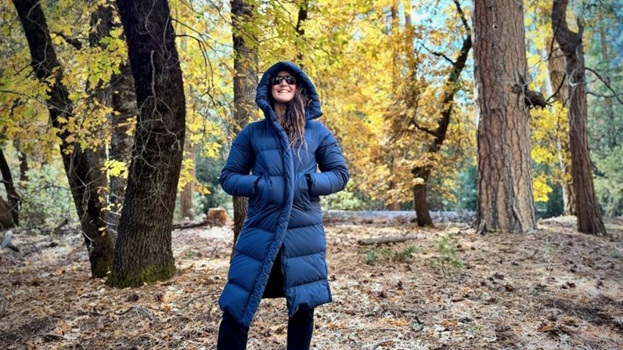
Down insulation comes from the soft clusters found beneath the outer feathers of ducks and geese. Unlike regular feathers, which have a central quill, down consists of fluffy clusters with fine filaments that spread out in different directions. This structure allows them to trap pockets of air, creating a layer of insulation that helps birds retain body heat in cold weather.
Many winter coats use the same principle. The down clusters trap warm air close to the body. One of the biggest advantages of a down winter coat for ladies that keeps you warm is its excellent warmth-to-weight ratio. In other words, it provides plenty of insulation without feeling bulky.
You’ll also come across fill power when shopping for a winter coat for ladies. This number measures how much space a given weight of down occupies, usually expressed in cubic inches per ounce.
For instance, 600 fill power means the down takes up 600 cubic inches under standard testing conditions. Generally, the higher the number, the better the down’s ability to trap air and provide warmth for its weight.
However, fill power isn’t the only thing that matters. The amount of down used also affects how warm a coat will be. A higher fill power doesn’t automatically mean a warmer coat if it contains very little insulation.
Comparing Synthetic Vs Natural Down
Natural down is prized for its excellent warmth-to-weight ratio. It’s lightweight, compressible and highly effective at trapping warm air. The downside? Down loses much of its insulating ability when wet. It can also take a long time to dry, so it needs a little more care.
Synthetic insulation, on the other hand, is usually made from polyester fibres arranged to mimic the structure of natural down. These fibres trap air to provide warmth, much like their natural counterpart. While synthetic insulation can be a little heavier and bulkier, it has one important advantage: it retains more of its insulating ability when exposed to moisture. It also dries faster and is generally easier to care for. Another plus is that it more affordable.
You don’t necessarily have to choose one over the other, either. Some winter coats for ladies combine natural down with synthetic insulation to make the most of both materials. This approach can offer the lightweight warmth of down while adding some of the moisture resistance associated with synthetic fibres.
Ultimately, the right option depends on where and how you’ll wear your coat. If warmth and low weight are your priorities, natural down is worth considering. If you expect damp conditions or prefer easier maintenance, synthetic insulation may suit you better. A combination of both is a middle ground between warmth and convenience.
What Else to Consider Besides Insulation
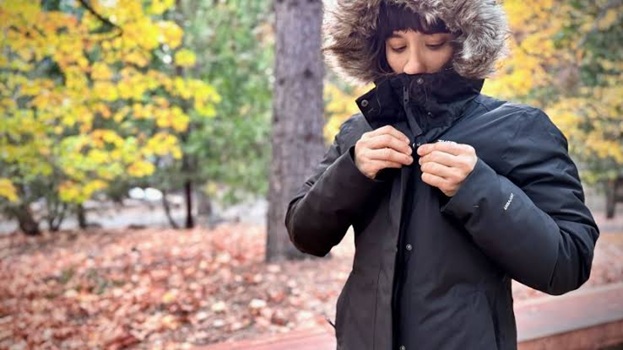
Other things to keep in mind when shopping for a down winter coat for ladies include fit, length and additional features.
Fit
A slightly relaxed fit is often a practical choice for everyday winter wear, while a more fitted silhouette can create a neater look. Ideally, the coat you choose should leave enough room for a jumper or other warm layers underneath without feeling oversized or restricting movement. Pay attention to the shoulders, sleeves and armholes, as these areas can feel particularly uncomfortable if they’re too tight.
Length
Winter coats come in different lengths, from cropped jackets that sit around the waist to longer styles that reach the thighs, knees or even lower. Shorter designs offer more freedom of movement and can be easier to wear when driving or walking around town.
However, they leave more of your lower body exposed to the cold. Longer coats provide additional coverage, helping keep your hips and thighs warm.
Other Design Details
A well-insulated, adjustable hood offers extra protection when it’s windy or snowing, while a removable one gives you more flexibility. Also, a high collar that sits comfortably around your neck helps keep cold air out, particularly when you’re not wearing a scarf.
Other features to look for include adjustable cuffs, storm flaps over zippers and secure pockets. These additions might seem minor, but they can make your coat more practical for everyday winter wear and outdoor activities.


