
5 Interesting Facts About Ballerina Tutu Skirts You Might Not Know
Tutus are probably ballet’s most recognisable piece of costume (apart from pointe shoes, of course). You think you know them, maybe because your little girl has always loved twirling in one at home. Maybe you’re a dancer mum who thinks she’s seen it all. Or perhaps you’ve simply seen one on stage. Regardless of where you stand on the spectrum, there’s more to ballet dancewear than meets the eye. Little do most people know that behind these delicate ballerina garments lies a unique story and little-known details.
It Can Take Months to Make
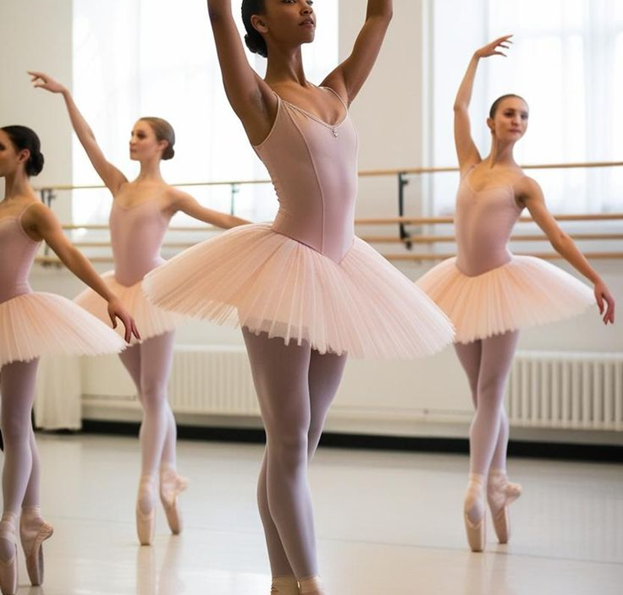
Many tutus available for purchase in stores and online are usually factory-produced. They’re designed to be durable, affordable, and practical for regular classes and small stage appearances. Made with pre-cut layers of tulle and standard sizing, these tutus are produced relatively quickly. You can order a ballerina tutu online and have it promptly delivered just in time for rehearsals or a first recital.
However, professional tutus may take months to create. Often crafted by skilled costume makers, they include eight to twelve or more carefully layered pieces of tulle, hand-sewn bodices, intricate embroidery, lace, crystals, and detailed embellishments. Creating the costumes that bring Clara, Drosselmeyer and other Nutcracker characters to life requires precision and hours of detailed work.
The complexity of the performance also plays a big role in how long a ballerina tutu takes to make. The bigger and more demanding the production, the more hours are poured into every layer and stitch.
It Wasn’t Always Pink
When most people think of a tutu, the first image that comes to mind is usually pink. This look has been reinforced over the years in movies, cartoons, and photographs. It’s the image we’ve all grown up seeing, and it’s become the symbol of ballet for many, even though dancers wear a variety of colours in real life.
However, the classic pastel tutu we know today only became popular in the 19th century. Early tutus were darker in colour and made from heavier fabrics like wool and velvet. Size-wise, they were long, often reaching mid-calf or the ankles, and layered to provide modest coverage rather than freedom of movement. These costumes were worn in royal courts and major theatres, such as the Palais Garnier in Paris and other European opera houses, to reflect the formal style and modesty expected in aristocratic settings.
It Was Revolutionary in Its Time
When Marie Taglioni took the stage in “La Sylphide” in 1832, it wasn’t just her performance that captivated audiences. Her light, calf-length, bell-shaped skirt made of layers of tulle instantly became the model costume for a ballerina.
The heavy and layered gowns of the past gave way to something softer and more ethereal. This shift marked the birth of the romantic tutu, which is widely recognised as one of the earliest forms of the ballet tutu we know today.
By the end of the 19th century, dance technique had continued to evolve, and so had the tutu. The late-19th-century tutu was shortened to just above the knee, had a more defined shape and elaborate decoration on the corseted bodice. This new, shorter costume allowed more of the legs to be visible, drawing attention to new styles of footwork, like the emerging art of dancing en pointe, which was becoming popular at the time.
It Continues to Evolve
Ballet’s iconic tutu has never stopped changing. During the pandemic, many artists searched for ways to reinterpret reality in unexpected ways. The Dutch National Ballet collaborated with G-Star RAW to create a social-distancing tutu. They came up with a striking 3-meter-wide costume made of denim that allows dancers to maintain safe distances while performing.
Today, with the growing focus on sustainability in fashion, ballet tutus are also being reinvented to reflect these values. Many designers use modern fabrics like stretch mesh and recycled materials to help reduce waste and environmental impact.
It Conveys Symbolism
The tutu we know today is more than layers of tulle and pretty colours. It’s a tool for storytelling. Although the idea that stage costumes convey symbolism isn’t new and unique to the tutu, there’s more to this ballet staple.
Its shape, colour, and material help convey character, mood, and emotion. A white tutu often signals purity or ethereality, like in “Swan Lake” and “Giselle”. Red may suggest passion, danger, or power, while black can hint at mystery or tragedy.
The shape of the tutu enhances the story and helps define characters on stage. Flowing Romantic skirts float with the dancer, creating a soft, airy effect. Stiff classical tutus highlight precision, spins, and intricate footwork, showing off skill and virtuosity.
Material-wise, soft and lightweight tulle gives a sense of weightlessness. Shiny or reflective fabrics can suggest magic or royalty. Layers of stiff tulle make jumps and turns appear bigger, adding drama to the choreography.


