
How to Choose the Right Crossbow for Your Hunting Style
The right hunting setup should feel manageable, suit your experience, and match the conditions where you plan to use it. Modern designs come with different levels of power, size, weight, cocking systems, and optics, so comparing a few key features can make the buying process much easier. Instead of focusing on one impressive specification, consider how the entire setup fits your needs.
Experience Level
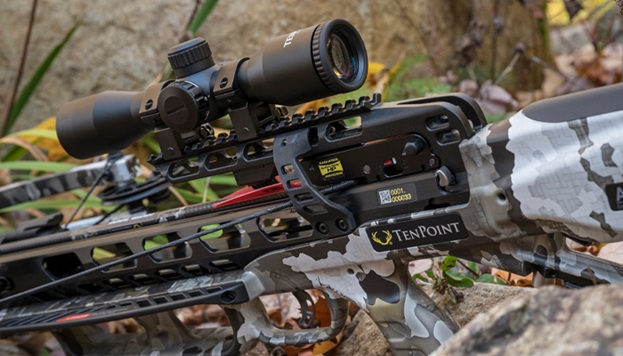
Of all the things considered, your level of experience comes at the top of the list. If you’re buying for the first time, it’s best to go for a simple model that’s easy to handle, has simple controls, has a practical cocking system, and doesn’t weigh much. Advanced hunters can go for higher performance and more advanced features.
There’s a wide variety of precise crossbows to choose from, so consider how comfortable you are holding one and how much time you plan to spend. There’s no use in impressive specifications if the model feels awkward to handle.
Always go for a setup that builds your confidence and encourages you to practice. Consider the whole package instead of just the bow. Things like a quiver, scope, cocking, and compatible bolts will all add convenience.
Draw Weight and Cocking Method
Draw weight affects both performance and how much effort cock the bow. If the draw is higher, you get more arrow speed. But it will also make it harder to cock consistently. The option you choose mainly depends on your physical ability, intended use, and experience.
Having a cocking aid can be of great help and make a big difference. Rope cockers reduce effort and help keep the string centred. Crank-style systems offer another assisted approach. It’s crucial to have a consistent string alignment because an unevenly cocked string will affect your level of accuracy. To be as efficient as possible, follow the manufacturer’s instructions.
Speed, Accuracy, and Power
Speed is an important factor to consider when comparing models, but it shouldn’t be the deciding or the only factor you rely on. Your performance will also depend on arrow weight, draw weight, design, and accuracy. Even though the setup is fast, you still need to place arrows consistently.
Look for a combination of dependable construction, suitable power, and features that will help you maintain a stable shooting position. Before you take the hunting gear into the field, make sure you practice at an approved range and learn its capabilities. Its accuracy also depends on the type of ammunition you use for that specific model. Bolts need to match the manufacturer’s requirements for length, weight, and stiffness. Not having the right bolts can damage the equipment and even cause injuries.
Size and Weight
The size and weight can impact how comfortable it feels in your hands during the hunt. Crossbows with a compact design are easier to handle in all hunting positions. A heavier setup can feel more stable, but it can become tiresome to hold for a long time.
Look at both the dimensions and the weight. Consider how far you normally walk, how you transport your equipment, and how much room you have in your usual hunting position. A design can look impressive on paper, but it can be very tiresome and frustrating having it in the field.
Don’t forget about balance. Try holding the equipment in a safe, unloaded state, and consider how naturally the foregrip, stock, and the rest of the components fit your personal stance. If you can handle the setup comfortably at practice sessions, you’ll stay more focused when the real thing comes.
Scope and Optics
Having a clear view of the target can make a big difference in your hunting experience. Aiming is much easier when you have the proper tools. Some basic options are sights, red-dot systems, and dedicated scopes for different aiming points. Which one you choose depends on your experience, personal preference, and intended distance.
With so many crossbows for sale, comparing scopes, magnification, reticle design, brightness, and compatibility is very helpful. Some scopes have different aiming points for different distances. You’ll need some practice to master them all. Remember, more magnification doesn’t mean better performance. A clear, practical optic matched to your setup can be more useful than an unnecessarily complicated system.
Cocking and Safety Features
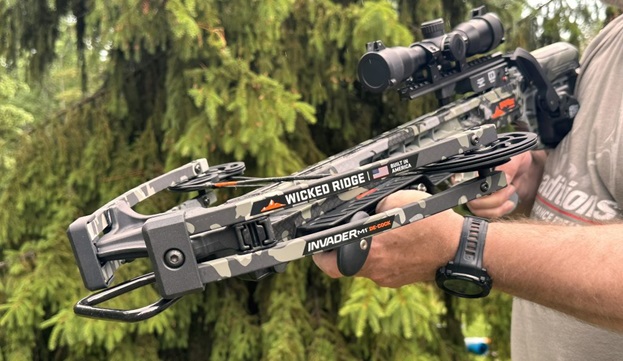
Safety features deserve a lot of attention when you’re buying crossbows. Look for a model with a reliable safety mechanism and features designed to prevent accidental firing. Another important feature is the anti-dry-fire protection. Firing without a suitable bolt can cause serious damage to the equipment.
All accessories you have should support safe handling. A cocking aid that matches the setup will improve your consistency, and a suitable sling, case, and target will make practice and storage a bit more convenient. Follow the manufacturer’s recommendations and instructions, never point the crossbow at something you don’t want to shoot, and keep your hands and fingers away from the string and rail area.
Match the Bow to Your Hunting Needs
Once you have the main features figured out, it’s time to think about the hunting you’ll do. If you plan on hunting for a longer period, you’ll need something lighter and more compact. If you’re shooting from a fixed position, you should prioritise stability and comfort. It’s also worth considering how easy it is to find replacement strings, compatible bolts, and accessories.
If the seller has good customer support, you can contact them for any issues regarding the equipment. For a beginner, buying a complete setup instead of purchasing one component at a time is much more practical. This prevents you from buying pieces that are not compatible with each other.
In Summary
Choosing the right hunting setup comes down to finding a practical balance between performance, comfort, size, and ease of use. Start with your experience, then consider draw weight, cocking method, optics, and handling. Most importantly, choose equipment you can practice with confidently and maintain responsibly. Taking the time to compare these details can help you build a setup that feels right for your hunting style.


