
A Beginner’s Guide to Horse Shoeing Tools
You ever watch a farrier work up close? It’s actually kind of impressive. Every tool has a job, and when they’re used properly it all goes smoothly for both the farrier and the horse. And no, it’s not just about making the hooves look neat. The right tools make the whole process faster and safer. Less fuss and less stress for the horse.
Plus, when you’re trimming or fitting a shoe, having good gear helps you be more precise and avoid mistakes. That’s why it’s so important to find the right horse shoeing tool for the job. Look at it like cooking – you don’t want to cut a steak with a butter knife. The right tools just make everything easier.
Why Good Horseshoeing Tools Matter
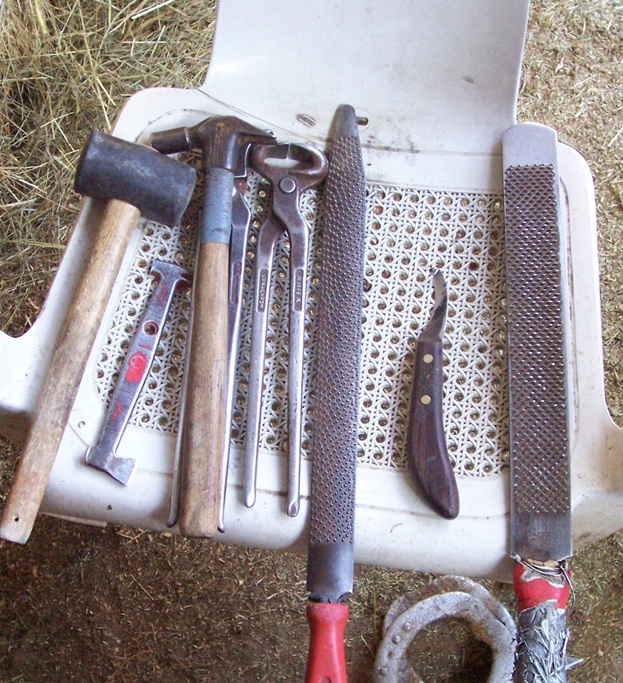
First of all, you should always take care of your horse’s hooves. But when it comes to shoeing a horse, tools aren’t just “nice to have”, they really make a difference. A sharp rasp, a solid pair of nippers, or even a good clincher can change how smooth and safe the whole job feels.
And it’s not just about making your work easier. When you use the right horse shoeing tool, you’re protecting the horse, too. Bad tools or ones that aren’t made for the job can slip, cause pain, or mess up the hoof shape. And horses don’t always stand still, so you need gear that lets you work quickly but properly. It’s like with anything else, if your horse shoeing tool arsenal is strong, sharp, and built for farrier work, you’ll get better results, and the horse stays more comfortable through it all.
Essential Horseshoeing Tool Categories
So, what farriers’ tools do you need to shoe a horse? Here’s the basic list, nothing too fancy, just the essentials:
- Hoof pick
- Hoof knife
- Nippers
- Rasp
- Shoe pullers
- Hammer
- Horseshoe Nails
- Clincher
- Clinch Cutter
- Anvil
- Forge
- Tongs
- An apron
Let’s go over some of the must-haves, and if you ever need the full set, most well-stocked horse tack shops, especially the ones that specialize in farrier gear, will have everything you need.
Hoof Knives and Nippers
So, what do hoof knives and nippers actually do? Hoof knives are for cleaning and trimming the sole and frog. You use them to shave away any flaky bits and tidy things up. And nippers are for cutting the hoof wall, kind of like big nail clippers, but way tougher. You trim off the extra growth to get the hoof to the right shape and length.
Rasps and Files
Okay, so, once you’ve trimmed the hoof, what’s next? That’s where the rasp comes in. It’s like a big, heavy-duty nail file. You use it to smooth out the edges and level the hoof after trimming. You can also use a finer side for detail work, especially if the hoof edge is a little rough or uneven. It’s all about shaping it just right.
Clinching Tools and Clinchers
Next on the list of farrier tools are clinching tools and clinchers. Once you’ve nailed the shoe in, the ends of the nails stick out of the side of the hoof wall. You don’t leave them like that. Clinchers bend and press those sharp ends flat into the hoof. So they kind of lock the shoe in place. They help keep the nails secure and smooth, so the horse doesn’t catch them on anything.
Hammers and Folding Tools
You’d think a hammer is a hammer, right? Yeah, but not with shoeing! Farrier hammers are smaller and more balanced. They’re made for driving nails into horseshoes without splitting the hoof. And folding tools are just compact versions of some of the main tools, handy if you’re working on the go or need something light and portable.
Nails and Shoes
Let’s talk about the actual shoes and nails. How do you choose? Horseshoes come in different sizes and styles depending on the horse’s work and hoof shape. And the nails? They’re made to go through the hoof wall without hurting the horse. Yeah, it sounds tricky, but once you get the hang of placing the nails just right and clinching them down, the shoe stays put nicely and securely.
Hoof Picks and Brushes
Remember, you always start with a hoof pick. That’s because you’ve got to clean out all the dirt, rocks, or manure before you do anything else. A hoof pick is simple but super important. And the brush helps just to clear off the fine stuff, dust or loose bits. It makes everything easier to see and work with.
Interesting Facts About Horseshoeing Tools
Some Horseshoeing Tools Haven’t Changed in Centuries
Some horse shoeing tools have been used for hundreds of years with barely any changes. Think of farrier rasps, clinching tools, nippers and pullers and a hoof knife. They’ve been around for a long time. They’ve gone through improvements with the materials to provide a stronger steel and better handles, but the basic shape and purpose are still the same.
Clinching Tools Are Tiny But Mighty
Those little clinching tools don’t look like much, huh? Don’t be fooled, they do an important job. After you hammer in the nails, clinchers bend the ends and press them flat against the hoof wall. They actually stop the nails from sticking out.
There’s a Difference Between a Nipper and a Puller Even Though They Look Similar
A nipper and puller might look similar, but they do totally different things. Nippers cut the hoof like big nail clippers, and pullers are for taking off old shoes. If you try using one in place of the other, you’ll end up damaging something—either the tool or the hoof.


