
What to Look for When Choosing a Beginner Violin
Learning to play the violin can be a rewarding experience. But before you start practising your favourite tunes, there’s one important decision to make: choosing the right instrument. With so many beginner options available, it can be difficult to know which one offers the right balance of quality, comfort and affordability. This is especially true for parents buying an instrument for a child who is still learning the basics. The good news is that you don’t need an expensive instrument to get started.
Starting lessons is much easier with professionally set up beginner violins. These instruments have been checked and adjusted to ensure the strings, bridge, pegs, and other components are correctly positioned and working as they should. This can make tuning less frustrating, improve playability, and help you produce a clearer sound as you learn basic techniques. It also reduces the chances of struggling with avoidable instrument problems when you’re still getting used to playing. Here’s what to consider before buying your first violin.
What’s the Ideal Size for a Beginner Violin?
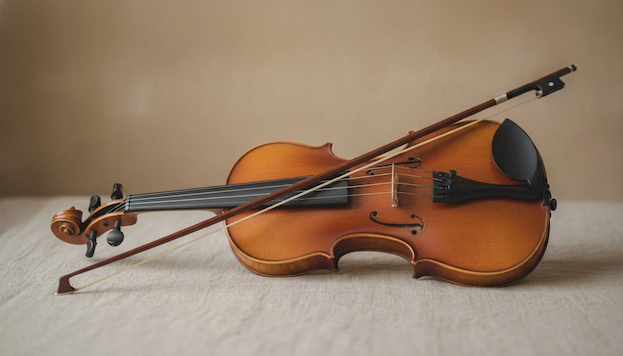
Choosing the right size is an important first step, as an instrument that’s too large or too small can make learning more difficult. Violins are available in several fractional sizes, from 1/16 up to the full-size 4/4 model.
To get a general idea of what fits, ask the student to stretch their left arm straight out to the side and measure from the base of the neck to the middle of the palm. As a rough guide, an arm length of 47–51 cm may suit a 1/4-size violin, while 51–56 cm is often suitable for a 1/2 size. Students with measurements of around 56–58 cm may need a 3/4 size, whereas those measuring over 58 cm may be ready for a full-size instrument. These measurements are only a starting point, so it’s worth having a music teacher or specialist check the fit before buying.
Children can outgrow their instruments surprisingly quickly, sometimes within a year or two. For parents, this means choosing a violin isn’t just about finding the right fit today; it’s also worth thinking about how often an upgrade might be needed. Renting can be a practical option for younger students who are still growing, as it allows them to move up to a larger size without having to purchase a new instrument each time. Some music shops also offer rent-to-own arrangements, where part of the rental payments can go towards buying an instrument later. This can make the transition to a full-size instrument more manageable when the time comes.
Key Factors to Think About
When browsing for beginner violins, look beyond the price tag and pay attention to how the instrument is made. The materials and small construction details can affect its sound, comfort, and ease of use. You don’t need an expensive professional model, but a well-made instrument that can make those first lessons and practice sessions much more enjoyable. Here are a few features worth checking before you buy.
Solid Wood Construction
Solid-wood violins for beginners generally offer a more natural resonance and a richer sound than those built with laminated materials. Although laminated models can be more affordable, they may not respond as freely, which can limit the sound quality a student experiences as they learn.
Fingerboard and Fittings
An ebony fingerboard or a good-quality alternative provides a smooth, durable surface for the fingers. Check that the tuning pegs turn without sticking but still hold their position. Four fine tuners, one for each string, can also make small tuning adjustments easier. The chinrest and tailpiece should be securely fitted, with the chinrest feeling comfortable against the player’s jaw.
Bridge and Soundpost
The bridge should sit upright, with the strings evenly spaced so they’re easy to reach and play. Inside the instrument, the soundpost helps carry vibrations through the instrument and needs to be positioned correctly for the violin to work as intended.
These details might seem minor, but they can noticeably affect the playing experience. If you’re unsure what to look for, ask a knowledgeable music shop to check the instrument’s construction and setup before purchasing.
Which Price Range to Consider
You don’t have to spend a fortune on a first violin, but choosing the cheapest option isn’t always the best way to save money. As a general guide, consider these price ranges:
-$200–$500: A suitable starting point for students, with many models offering solid wood construction and basic, functional fittings.
-$500–$1,500: Often a step up in sound, materials, and craftsmanship, making this range worth considering for students who are progressing and want more from their instrument.
-Below $150–$200: Be cautious, as very low-priced violins may have poor setup or construction issues that make tuning and playing unnecessarily difficult.
A well-made instrument can make practice more enjoyable and help students focus on learning rather than struggling with avoidable problems. Ask a music teacher or specialist for advice before deciding where to spend your money.
Important Accessories
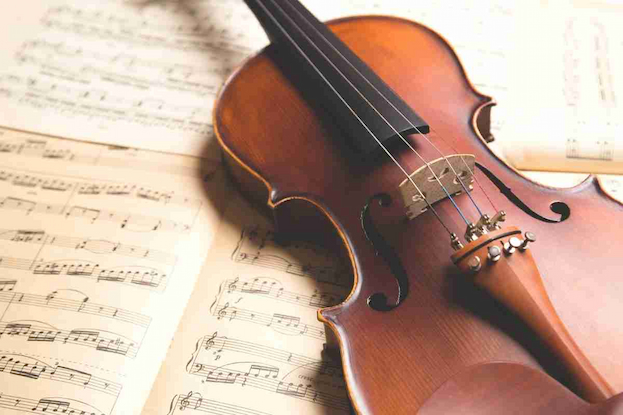
A basic violin for beginners is only part of what a student needs to get started. The bow should feel comfortable and well-balanced, with good-quality horsehair, while materials such as Brazilwood, fibreglass or carbon fibre offer practical options for younger players.
A sturdy, padded case is also important for keeping the instrument safe between lessons and during travel. It’s worth having rosin, a suitable shoulder rest and a soft cleaning cloth on hand. These simple extras make playing more comfortable and help keep the violin in good condition.


