
Kids’ Hockey Skates: Interesting and Useful Facts to Help You Choose the Right Pair
The shoes can make or break your experience, whether you’re walking, running, or in the case of hockey – skating. Being in the direct contact with the flooring in the rink, the right skates can provide you the adequate support, maximize energy transfer and agility, and enhance protection. Hence the importance of finding the perfect fit and construction. Kids’ skates are no different.
What to Know About Kids’ Skates?
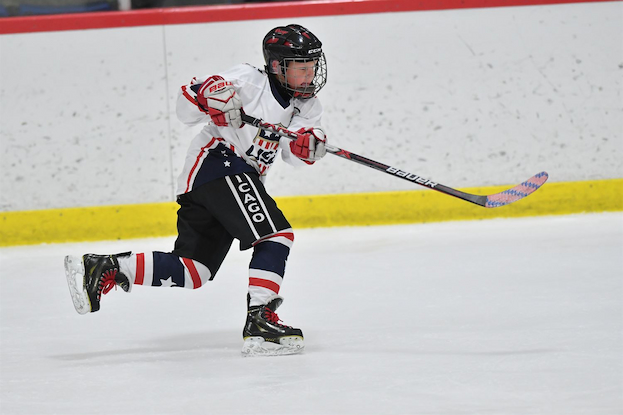
The Sizing
It’s true, hockey skates like the junior models tend to be smaller than regular children’s shoes, typically 1 to 1.5 sizes smaller. Before you consider them to be the smallest size, however, versatile JR hockey skates are just part of kids’ sizing; they are between youth (YTH) and intermediate (INT) which are followed by senior (SR). In terms of age:
- youth skates, which come in sizes 8.0D to 13.5D, are meant for kids of ages 3 to 8,
- junior skates, which come in sizes 1.0D to 5.5D or 6.0, serve kids of roughly 7 to 13 years of age,
- intermediate skates, which come in sizes 4.0D to 6.5D, are for growing kids and teens between the ages 10 to 14,
- senior skates, which come in sizes 7.0D and up, are great for older teens who have outgrown junior and intermediate skates, and adults.
To be on the safe side, as there can be some variations between certain brands, remember to always check the sizes and sizing guides provided by the retailer when shopping online. If possible, have your child try the pair before you buy it to check the fit for their feet and get a better idea if it’s the right choice. Many factors are important here besides the length, with foot shape specifics like arch, instep height and width as an example.
The Fit
As mentioned, these aren’t anything like regular, street shoes, so in terms of fit, the snug fit close around the foot and the heel specifically is great to get utmost support and control. More space around can interfere with stability, affecting the young skaters’ safety as well as performance out on the ice, especially when it comes to doing those turns and stops. With this in mind, remember to never buy youth hockey skates or any of the other size category options that are bigger than your child’s feet for the sole purpose of having him grow them in over time.
Although some brands use heat-mouldable materials that give you the flexibility to adapt the boot closer to the player’s foot, not all of them do so be sure to check this too when shopping. If possible, follow the manufacturer’s instructions to get the desired results. Properly fitted skates provide the necessary building foundation for hockey skill development.
The Boot Stiffness
A lot goes into the creation of the ideal kids’ skates, so they’re not simply smaller versions of adult skates. While it’s true that they’re smaller than adult skates, there’s more to them than the smaller size which is where they differ from adult options.
For starters, beginner skaters who are yet mastering techniques and skills need all the boot forgiveness they can get, and time to break in. Unlike stiffer adult skates which are made from harder materials to put up with more weight and skating aggressiveness, the children’s youth and jr hockey skates are usually softer when it comes to the boot design as they’re made for the smaller, lighter feet.
This explains why entry-level boots are softer; for a beginner player, stick to the softer versions and avoid higher-end models with stiffer boots. Then, as the little hockey player gets the needed skill and skating strength, you can upgrade to a stiffer option.
The Player
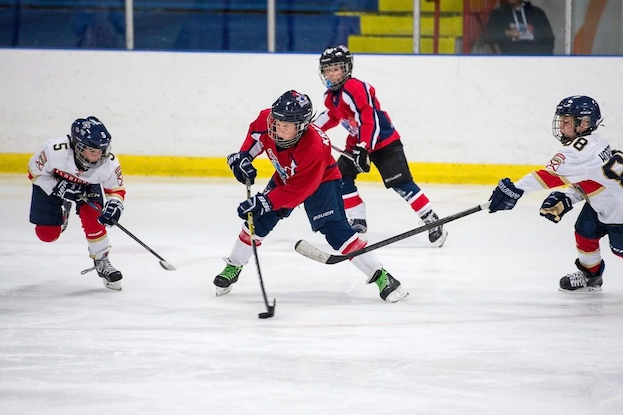
The skates meant for goalies are different from those meant for forwards and defensemen, so it’s essential to consider this when choosing too. The sizing and the fit may be the same, but goalie skate designs have distinct characteristics; from the lower profile to the more boot protection against puck impact and different blade holder fit for the lateral pushes, there’s a lot to pay attention to as genuinely goalie-specific models aren’t the same as those designed for other players.
The Blade Sharpness
Pushing, turning, stopping, there’s a lot the blades do, and once the edge rounds off you don’t get the expected performance. This is why you’d have to do periodic blade sharpening, which can be once a month in general. With some players, this can be more or less frequent.
The frequency comes down to more than the player’s weight and skating style, with the steel quality of the blades, the ice skating frequency, and the ice conditions (wet, soft, cold, outdoor or indoor ice) all being crucial factors that can determine it. Pay attention to wobbling, slipping, drifting, stopping differences as these are all signs the blades need some sharpening.


