
Hockey Goalie Masks: Fit, Vision Preservation and Modern Designs
Every goalie knows their mask lets them stand tall in front of a powerful shot without a second thought, much like the right set of goalie pads. But how do you actually know if the mask you’re wearing is doing its job right? A proper fit makes the difference between real protection and a false sense of security. From the way it sits on your forehead to how it holds up on impact, every detail matters.
How Should a Goalie Mask Fit?
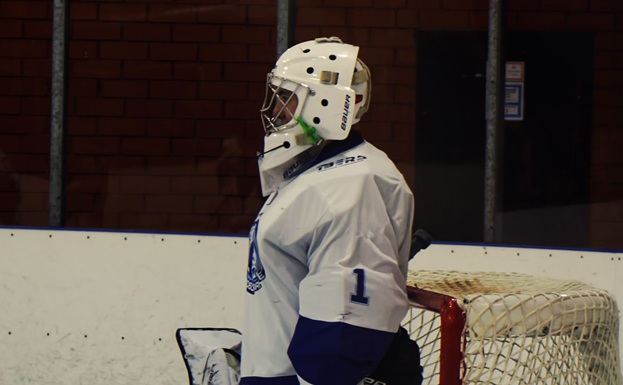
As a goalie, your mask may just be the most important piece of your hockey outfit. And not all goalie masks will fit that well on your head. Finding one that feels right and comfortable on you will keep your head safe from real injuries and concussions.
Knowing what to look for when you’re fitting a goalie mask can help you get it right every time. Here’s what to check before you hit the ice.
Check the Forehead
The top of a properly fitted hockey goalie mask should sit about half an inch to three-quarters of an inch above your eyebrows. The sweatband should run right across the middle of your forehead. To check if it’s right, you can try slipping a finger through the cage and running it along your forehead where the mask opening is. If your finger fits in there, the mask’s too big, and your head isn’t sitting deep enough inside it. That gap weakens the seal and cuts down on protection.
Check the Cheeks
Your cheeks should feel snug in the mask, tight but not to the point of leaving serious marks or bruises. The best way to check for this is to have someone hold the mask by the chin while you shake your head side to side. If their hand barely moves, you’re good to go. But, if your head is sliding around inside, look for a smaller size, as that wiggle room is exactly what puts you at risk when you take a hit.
Check the Back of Your Head
The backplate needs to tuck in behind the shell with barely any gap. You shouldn’t be able to see much, if any, skin back there. Otherwise, a skate or a stick could get you. If it’s exposed, see if tightening the straps a bit at a time can make a difference. And don’t overtighten that chin cup. That’s usually what makes the backplate sit wrong.
One Last Thing About the Fit
Your upper lip should still be visible, and the chin cup should rest lightly, not dig into your skin. Additionally, every mask requires CSA certification, which only covers the original owner. Wear it at home first and avoid buying a second-hand goalie mask.
Goalie Masks and Vision Preservation
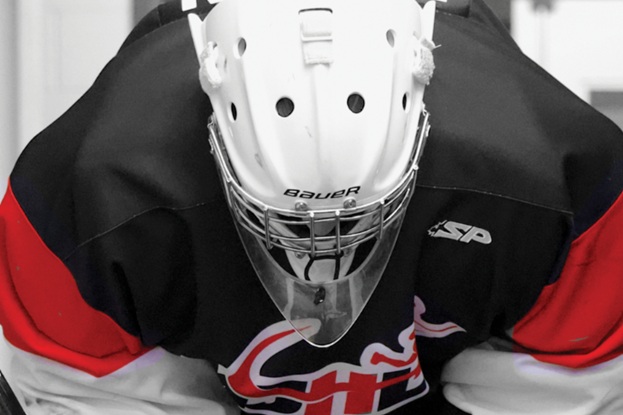
Vision limitation with masks is something that might not cross your mind at first, but it’s a big deal. The importance of your hockey goalie mask protecting your head without messing with your ability to actually see the puck is not talked about enough. Because in all honesty, all the protection in the world doesn’t help if you can’t track the shot coming at you.
How the Mask Does Its Job
Your mask’s outer shell is meant to be rigid for a reason. When a puck or stick hits it, that shell spreads the force out across the whole surface instead of letting it slam into just one single spot. Underneath, the foam padding soaks up whatever energy gets through, so way less of that impact actually reaches your skull.
Why the Cage Matters
There is more to the cage than just keeping pucks out. The spacing and shape of it are designed that way to give you the widest sightlines possible, all while protecting your face. When your mask fits properly, it stays put on impact instead of shifting or rotating, which matters because a mask that moves around can throw off your vision and your balance in the most vulnerable moments.
Vision Is Everything
Goaltending comes down to tracking the puck early. Your hockey costume, with all the protective parts, is there to protect you without getting in the way of that. So really, a good mask isn’t choosing between safety and vision, but making sure to get both at the same time, which is exactly what lets you put your heart in the game without holding back.
Modern Goaltender Mask Designs
Goalie masks have come a long way, and today’s designs really do it all. You can find hockey goalie masks with lighter builds made from materials such as fibreglass or carbon fibre, paired with foam that actually absorbs impact, plus cages that let you see everything clearly without compromising protection.
Comfort has always been a big deal, but nowadays it’s taken more seriously. Masks come with padding that fits your head and improves airflow, so you’re not sweating a lot or dealing with a foggy cage mid-game. And coverage has grown a lot; masks now protect your neck and throat too, not just your face.
On top of all that, you get to make your mask your own with custom artwork. Basically, you’re getting way more protection and way more personality than goalies in the past used to have.
Your goalie mask should let you focus on the game instead of make you worry about your safety. Take just as much time as you need to get the fit right, and your mask will keep you protected, shift after shift.


