
How to Grow Thicker, Stronger Hair With Natural Oils
Somewhere between your grandmother’s bottle of castor oil and the recent trend of rosemary oil that has taken over your feed, there’s a real, scientifically backed reason why oils are constantly making their way into hair routines. So, it’s not a question of whether oils will help you or not, but rather which one suits your hair, and what’s the right way to use them so you’re not left with a greasy scalp and no results?
Why Oils Help Hair Growth
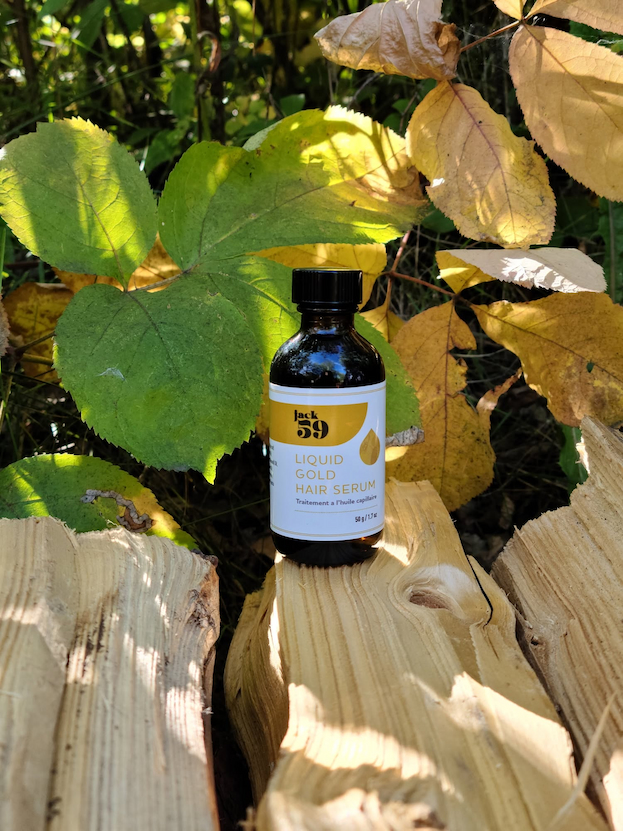
Natural oils can be powerful allies in stimulating hair growth. These botanical extracts contain unique molecular structures that help create ideal conditions for healthy hair development. They promote circulation, reduce inflammation, and provide essential nutrients, which in turn support hair regeneration. The oils also protect your existing hair by moisturising your scalp, preventing damage to the hair strands, reducing scaling and inflammation, and increasing its strength. When used regularly, the hair growth natural oil promotes overall hair health.
What Natural Oils Help Hair Growth?
A handful of oils show up again and again in scalp treatment, and for good reason.
- Castor oil is probably one of the most talked about. It is thick and rich in ricinoleic acid; it detoxifies the scalp pores and delivers lasting moisture. It is known to increase circulation and protect hair from breakage by coating the strands.
- Jojoba oil is actually a wax ester. This means that its molecular structure is the same as that of the natural sebum produced by your scalp. This makes it perfect for balancing oil production, maintaining optimal hydration and strengthening hair follicles for healthier growth.
- Argan oil, known in the beauty world as “liquid gold,” is full of vitamin E and fatty acids. It is light enough to use on lengths and tips, giving your hair a shine and softness and preventing dryness and frizz.
- Sweet almond oil is gentle, penetrates easily, and is high in vitamin E and magnesium, both of which help reduce breakage and promote scalp health.
- Apricot kernel oil is another light, fast-absorbing option, prized for softening hair without weighing it down, which makes it a nice base oil for blends.
- Peppermint oil provides a cooling and tingling effect, often leading to improved circulation in the scalp. Its antimicrobial properties also help combat dandruff and scalp infections.
- Rosemary oil may help improve hair thickness and growth thanks to its ability to stimulate circulation at the follicle level and to enhance cellular regeneration.
- Vitamin E, even though not an oil, is often included in the hair oil mixtures, as it acts as an antioxidant, protecting the scalp from oxidative stress and promoting follicle health.
Many scalp serum formulations today combine several oils that work in synergy, promoting growth, protection, and strength.
Choosing the Right Natural Hair Oil for You

While choosing a natural hair growth oil, start with your hair type and needs rather than the latest trends.
- For fine or oily hair: choose lighter oils such as jojoba oil, apricot kernel oil or argan oil – they penetrate the scalp faster without leaving any residue.
- For thick, coarse or extremely dry hair: castor oil and heavier combinations may be better as they provide intensive moisture that these types of hair often need.
- For scalp concerns like flaking or itchiness: look for jojoba oil to balance the sebum and rosemary oil to reduce inflammation.
- If the main goal is to stimulate growth: the oils that seem to work best are rosemary oil and castor oil.
- In case of sensitive skin: patch test every new product, especially essential oils like peppermint oil and rosemary oil.
If you find yourself at a loss regarding where to begin, using a blend that is formulated specially for scalp care helps you get the best of both worlds since you won’t have to experiment to come up with your own mixture.
How to Use Hair Oils Effectively
The technique used to apply the oils is just as important as the oils themselves.
- Use the oil on a clean and dry or slightly damp scalp. Oil absorbs more effectively without any product residue.
- Section your hair so you can apply the oil directly to the scalp rather than just the surface layer of hair.
- Massage it in. A few minutes of scalp massage is not only relaxing, but it also helps distribute the oil and supports circulation.
- Let the oil sit anywhere from 30 minutes to overnight, depending on whether the oil is heavy (castor oil, for instance) or light.
- Rinse thoroughly with shampoo, as the oils left over can be heavy on your hair.
- Use regularly. One session will not help. To notice a real difference, apply the oil weekly or biweekly for several months.
At the end of the day, oils are a supporting player, not a miracle cure. Paired with a healthy diet, gentle handling, and patience, though, they’re one of the simplest and most enjoyable ways to give your hair the best possible conditions to grow.


