
Top Fuel Transfer Pump Brands and How to Choose the Right One
Choosing the right fuel transfer pump can make a big difference to the efficiency, safety, and reliability of your fuel handling operations. With a wide range of brands and models on the market, finding the best option depends on more than just price. Factors such as the type of fuel you’re transferring, flow rate requirements, build quality, and intended application all play an important role. Whether you’re refuelling agricultural machinery, servicing a commercial fleet, operating industrial equipment, or setting up a fuel storage system, selecting the right pump helps keep your operations running smoothly.
4 Leading Fuel Transfer Pump Brands
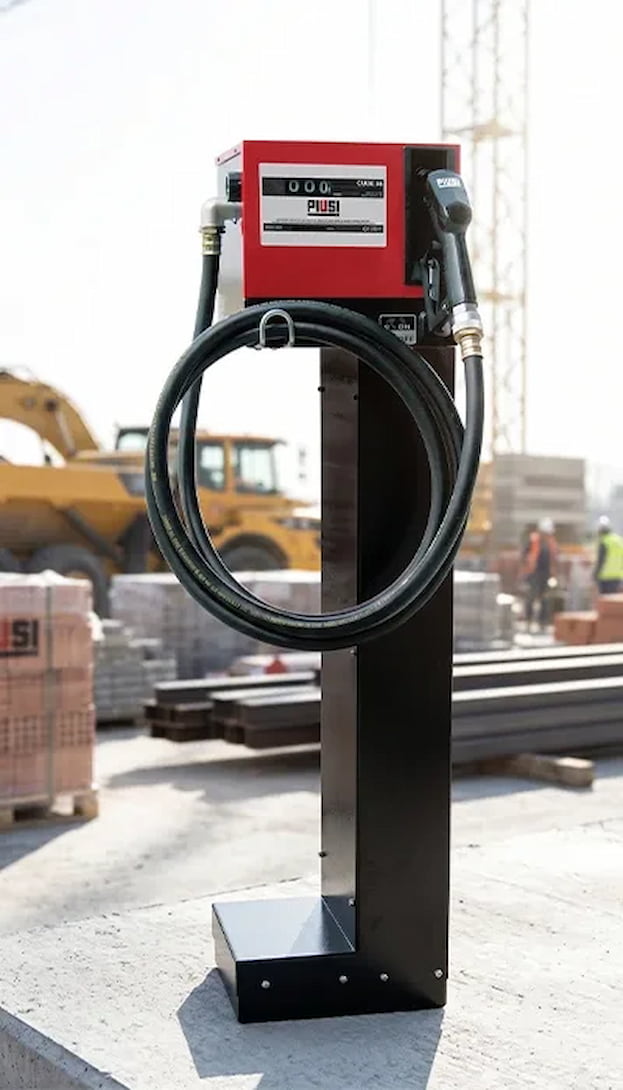
Understanding how leading fuel transfer pump brands compare is the first step towards choosing equipment that delivers the performance and value you need.
PIUSI
Founded in 1953, PIUSI has built a global reputation for designing and manufacturing high-quality fluid handling equipment. With more than 70 years of experience, the Italian company serves customers in over 135 countries and is recognized for its focus on innovation, reliability, and precision engineering. Every product in the PIUSI versatile range is designed and manufactured in Italy, with a strong emphasis on research and development to meet the needs of industries that rely on safe and efficient fuel handling.
PIUSI fuel transfer pumps are widely used across commercial fleets, agricultural operations, construction sites, workshops, and industrial facilities. The brand is also a leader in Diesel Exhaust Fluid (DEF) transfer systems, offering specialized equipment designed to prevent contamination and maintain fluid purity. Alongside pumps, the Italian company manufactures complete fuel management systems, flow meters, filters, nozzles, and dispensing equipment, making it a one-stop solution for businesses looking to streamline fuel operations.
Most PIUSI fuel transfer pumps feature durable rotary vane technology, delivering dependable performance with flow rates of up to 25 GPM. They are available in 12V, 24V, 110V, and 220V configurations, making them suitable for everything from mobile service vehicles to permanent fuel installations. Typical duty cycles of around 30 minutes make them ideal for regular refuelling tasks, while CE and UL certifications provide added confidence in quality and safety.
Although PIUSI pumps sit in the mid-to-high price range, the premium reflects their long service life, consistent performance, and excellent build quality. For businesses that prioritize reliability, fuel management capabilities, and dependable after-sales support, PIUSI remains one of the strongest choices on the market.
Fill-Rite
Fill-Rite is one of the most recognized names in fuel transfer equipment, known for manufacturing rugged pumps built for demanding commercial environments. Its products are widely used in agriculture, fleet refuelling, workshops, and construction, where durability and reliable performance are essential.
Fill-Rite pumps offer flow rates of up to 20 GPM and are available in 12V, 115V, and 230V configurations to suit both mobile and fixed installations. Many models are designed for continuous-duty operation, making them ideal for businesses with frequent refuelling requirements. The brand offers rotary vane and hand-operated pumps and meets UL and cUL safety standards. While positioned in the mid-to-high price range, Fill-Rite is a popular choice for users looking for long-lasting equipment that performs well under heavy use.
GPI (Great Plains Industries)
GPI (Great Plains Industries) is known for producing reliable, easy-to-use fuel transfer pumps suitable for light to medium-duty applications. The brand is popular with small farms, workshops, mobile service vehicles, and equipment owners who need dependable performance without unnecessary complexity.
GPI pumps typically deliver flow rates between 8 and 20 GPM and are available in 12V and 115V options. Most models use rotary gear technology and have a 30-minute duty cycle, making them well suited to routine refuelling tasks. UL certification provides added confidence in safety and quality. Sitting in the mid-price range, GPI offers a practical balance of performance, portability, and value for everyday fuel transfer needs.
Aocheng
Aocheng has become a popular option for buyers seeking cost-effective fuel transfer solutions. The brand manufactures a wide range of pumps that are commonly supplied with fuel tank kits, OEM equipment, and through distributors and resellers.
Aocheng pumps offer flow rates of up to 100 L/min and are available in 12V, 24V, 110V, and 220V versions, making them suitable for a variety of applications. Most models use rotary vane technology and feature a 30-minute duty cycle, while CE certification confirms compliance with recognized safety standards. With pricing in the low-to-mid range, Aocheng is a great option for budget-conscious buyers who need versatile equipment for general fuel transfer rather than heavy commercial use.
What to Consider When Choosing a Fuel Transfer Pump
Choosing the right fuel transfer pump comes down to finding a model that matches your specific needs and operating conditions. Here are key factors to consider before purchasing:
- Performance: Consider the required flow rate, pump type, and duty cycle. PIUSI and Fill-Rite are designed for heavy-duty applications, while GPI suits lighter use. Aocheng offers a good balance of performance and affordability.
- Compatibility: Make sure the pump is suitable for your fuel type. PIUSI and Aocheng also offer models designed for DEF, while both brands provide a wide range of voltage options.
- Durability: If the pump will be used frequently or in harsh conditions, look for durable construction. Fill-Rite, PIUSI, and GPI are known for long-lasting performance, while Aocheng offers dependable quality at a lower price.
- Certifications: Check for recognized certifications such as UL, cUL, or CE to ensure safety and compliance.
- Price: Choose a pump that matches both your budget and application, balancing upfront cost with long-term value.


