
What Is a Hoof Knife? A Complete Beginner’s Guide
Keeping a horse healthy isn’t just about good feed, regular exercise, and the occasional pat on the neck—it starts from the ground up, quite literally. Hoof maintenance is one of the most essential parts of horse care, and having the proper tools makes all the difference. Whether you’re a new horse owner or just stepping into the world of farriery, learning the basics of hoof care is a must. And right at the centre of that toolkit sits one small but mighty implement: the farrier knife.
If you’re just getting started, understanding how this tool works, what it’s used for, and how to handle it safely will set you up for success.
What Is a Farrier Knife?
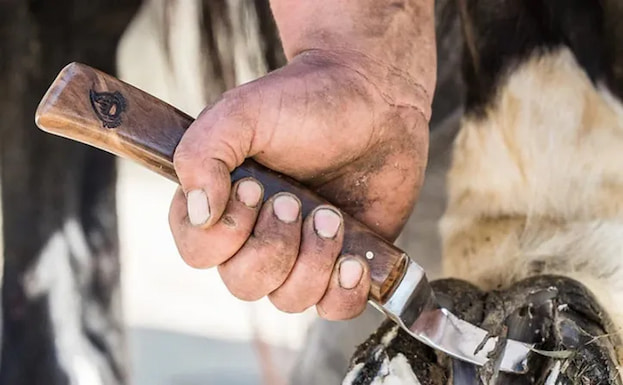
The hoof or farrier knives are specialised tools used to trim, clean, and maintain a horse’s hoof. This type of knife is designed to remove dead or excess material from the sole and frog (the softer, central part of the hoof), helping to keep everything balanced, clean, and functioning properly.
Think of it as a precision tool rather than a heavy-duty cutter. While larger tools handle the bulk of trimming, this one is all about detail work. It allows you to carefully shape and refine the hoof, ensuring your horse stays comfortable and sound.
Used correctly, it plays a key role in preventing common hoof problems and supporting overall hoof health.
Types of Hoof Knives
Choosing a durable hoof knife can make your job significantly easier. Here are the main variations you’ll come across:
Loop Knife
This design features a looped blade with two cutting edges. It’s a favourite for many because it can be used with either hand, making it versatile and convenient. If you’re unsure of left- or right-handed tools, this is often a safe starting point.
Straight or Single-Blade Knife
These knives have a single cutting edge and are typically designed for either left- or right-handed users. They offer excellent precision and are often preferred by more experienced users who want greater control.
Narrow Blade vs Wide Blade
- Narrow blades are ideal for detailed work, such as cleaning tight areas around the frog.
- Wide blades cover more surface area, making them better suited for quicker trimming tasks.
Many professionals keep more than one type on hand, switching between them depending on the job. That’s why collections of farrier knives often include a mix of styles to suit different needs.
Parts of a Farrier Knife
It looks like a simple tool, but each part serves a purpose:
- Blade: Typically curved, allowing for controlled, precise cuts. The curve helps follow the natural shape of the hoof.
- Handle: Designed for a secure grip, often made from wood, plastic, or rubber for comfort during extended use.
- Tang: The part of the blade that extends into the handle, giving the tool strength and stability.
A well-designed knife feels balanced in your hand, making it easier to work safely and efficiently.
How to Use It and Safety Tips for Beginners
Using this tool might look straightforward, but it requires care, patience, and a steady hand. If you’re new to hoof care, it’s best to start slow and, if possible, learn under the guidance of an experienced farrier.
Basic Use
- Hold the hoof securely, ensuring both you and the horse are stable.
- Grip the handle firmly but not too tightly.
- Make small, controlled cuts rather than large, forceful ones.
- Always work gradually—less is more when it comes to trimming.
The goal is to remove only dead material. If you’re ever unsure, it’s better to stop and reassess rather than risk cutting too deeply.
Safety Tips
Safety should always come first for both you and the horse.
- Cut away from yourself whenever possible to reduce the risk of injury.
- Keep the blade sharp—a dull blade requires more force and can slip more easily.
- Maintain good posture to avoid strain or sudden imbalance.
- Take your time—rushing increases the likelihood of mistakes.
- Store it properly when not in use, ideally with a protective cover.
It’s also worth noting that confidence comes with practice. Even seasoned professionals treat these tools with respect, and beginners should do the same.
How to Choose the Right Knife
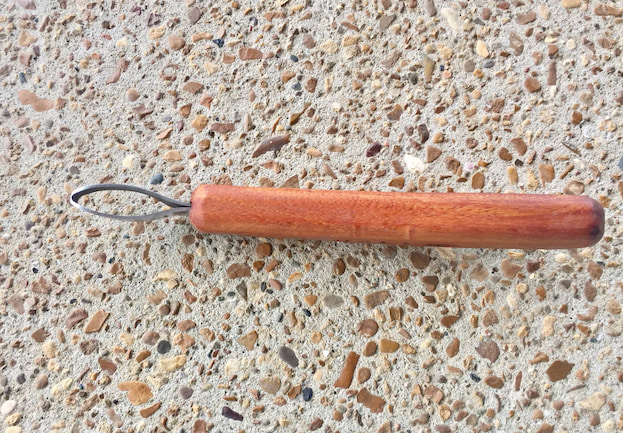
With so many options available, picking the right tool can feel a bit overwhelming. The good news is that a few key factors can guide your decision.
Comfort and Grip
A comfortable handle is essential, especially if you’ll be using the tool regularly. Look for something that feels natural in your hand and provides a secure grip, even in less-than-ideal conditions.
Blade Type
Consider whether a loop or single-blade design suits you better. Beginners often appreciate the flexibility of a loop knife, while more experienced users may prefer the precision of a single blade.
Hand Orientation
If you opt for a single-blade design, make sure it matches your dominant hand. Using the correct orientation improves both safety and effectiveness.
Quality of Materials
High-quality steel holds its edge longer and performs better over time. While it might cost a bit more upfront, it’s usually worth the investment.
Your Experience Level
If you’re just starting, you don’t need the most advanced tool on the market. A reliable, well-made option will serve you well as you build your skills. As you gain experience, you can expand your toolkit with an additional farrier knife tailored to specific tasks.
The Final Word
Hoof care might not be the flashiest part of horse ownership, but it’s undoubtedly one of the most important. A well-maintained hoof supports your horse’s comfort, mobility, and overall health, making the tools you use absolutely vital.
Take your time, prioritise safety, and don’t hesitate to learn from experienced hands along the way. With the right approach and the right hoof knife, you’ll be well on your way to keeping your horse in top shape, one careful trim at a time.


