
Trail Cameras: Your Guide for Choosing the Right Eye for the Outdoors
Watching Nature Up Close

Observing wildlife has always fascinated people, but doing so without disturbing animals requires clever tools. The trail cameras make this possible by capturing images and videos triggered by motion, often in remote or hidden locations. These devices allow enthusiasts, researchers, and property owners to monitor activity day and night, offering a window into the natural world while remaining unobtrusive.
What Makes Trail Cameras Special
Trail cameras are designed to withstand outdoor conditions while providing reliable monitoring. They are motion-activated, battery-powered, and capable of recording both still images and video. Their versatility means they can be used for wildlife tracking, property surveillance, or even environmental research.
The ability to capture clear footage without human presence makes them invaluable for anyone wanting to understand animal behaviour or secure outdoor spaces. Which is why enhancing your own safety and wildlife experience with reliable trail cameras will serve you well, ensuring you capture reliable footage without constant maintenance.
Choosing Features That Matter
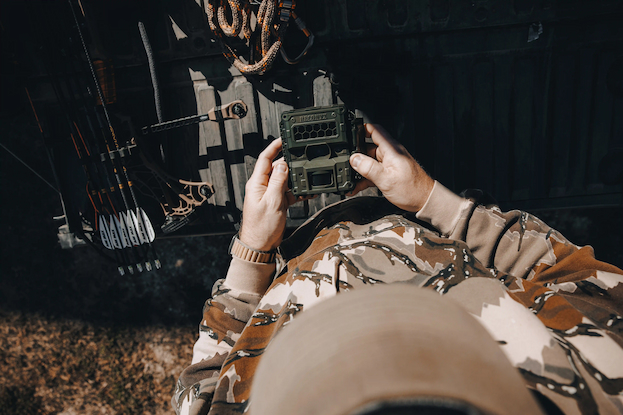
When selecting a model, several features determine how effective it will be. Resolution is crucial for identifying details in wildlife or intruders. Night vision ensures visibility in low-light conditions, often using infrared technology to avoid startling animals.
Trigger speed and detection range dictate how quickly and accurately the camera responds to movement, preventing missed shots. Battery life is equally important, especially for long-term monitoring in remote areas.
Applications Beyond Wildlife
While many people associate these devices with hunting or wildlife photography, their uses extend much further. Homeowners employ them for property security, detecting trespassers or monitoring entrances. Campers and outdoor enthusiasts use them to ensure safety around campsites.
Researchers rely on them to collect long-term data on animal populations, migration patterns, and habitat use. Even pest control professionals benefit from trail cameras, identifying species responsible for damage without needing to be present.
Durability and Materials
Outdoor environments are unpredictable, so durability is non-negotiable. High-strength plastics such as ABS and polycarbonate are commonly used in camera shells, offering impact resistance and weatherproofing. Many models are rated for water and dust resistance, ensuring they function in rain, snow, or extreme temperatures.
Rugged construction prevents damage from accidental drops or encounters with wildlife. This resilience ensures that trail cameras remain reliable tools even in harsh conditions.
Tips and Options for Every Need
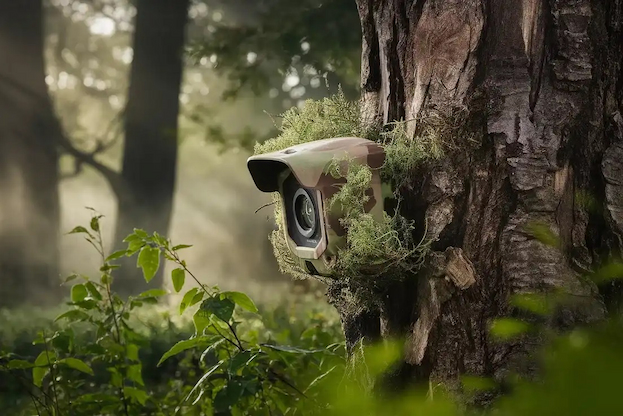
Getting the most out of a trail camera depends on the type and setup you choose. Placement should be determined based on animal paths, feeding areas, or property entry points. Mounting at the right height and angle reduces false triggers from wind or small debris.
Using camouflage or natural cover helps the device blend into surroundings, preventing disturbance or theft. Managing batteries and memory cards is also essential – long-life batteries and high-capacity storage reduce the need for frequent checks.
At the same time, options vary widely. Entry-level models focus on affordability and simplicity, while advanced versions prioritize image quality, detection accuracy, and extended battery life.
Wireless connectivity is another innovation, allowing users to receive images directly to their devices without visiting the site. Choosing depends on whether the goal is casual observation, serious research, or property protection, but the principles of careful setup apply across all categories.
Technology Innovations and Ethics
Recent advances have made the trail camera smarter and more efficient. Some now feature solar charging, reducing reliance on disposable batteries. Others integrate AI-driven motion detection, distinguishing between animals, people, and environmental triggers like wind. These improvements save time and storage space while increasing accuracy.
Ethical use is equally important. Trail cameras should never disrupt habitats or interfere with animal behaviour. Responsible placement ensures that wildlife remains undisturbed, while respecting privacy laws protects human subjects. Balancing technology with respect for nature ensures these devices remain tools for learning and safety rather than intrusion.
Seasonal Use and Maintenance
Outdoor conditions change dramatically across seasons, and trail cameras must be managed accordingly. In winter, cold temperatures can drain batteries faster, so lithium options or solar panels are often preferred. Snow and ice may obscure lenses, requiring regular checks to maintain clarity.
In summer, heat and humidity can affect electronics, making weatherproof housings essential. Seasonal adjustments, such as repositioning cameras to follow migration routes or shifting focus to breeding areas, help ensure year-round effectiveness. Regular cleaning and firmware updates also extend the lifespan of the device, keeping performance consistent.
Data Management and Security

Trail cameras generate large amounts of data, and managing it effectively is key. High-capacity memory cards allow longer recording periods, while cloud storage options provide secure backups. Encrypting files or using password-protected access helps safeguard sensitive footage, particularly when monitoring property.
Organizing data by date and location makes analysis easier, whether for research or personal use. Proper management ensures that valuable insights are not lost and that monitoring remains efficient.
Bringing the Outdoors Closer
Trail cameras bridge the gap between people and nature, offering insights that would otherwise remain hidden. They provide practical benefits for security and research while also enriching personal experiences with wildlife.
By carefully considering features, durability, placement, seasonal adjustments, and responsible use, users can ensure their investment delivers lasting value. Whether for capturing elusive animals or safeguarding property, trail cameras remain one of the most effective tools for outdoor monitoring.


