
Knitting Machines Demystified: A Guide for New and Experienced Users
Picture this: someone finds a basket full of colourful yarn and instantly starts dreaming of cosy sweaters, scarves, and blankets. The only problem? Hand-knitting takes forever, and projects often get left unfinished. That’s where clever tools step in, designed to make the process faster, smoother, and way more fun for anyone who loves creating.
With these tools, even big projects don’t feel overwhelming. They help bring ideas to life without the long wait, which is why so many makers are excited to try them out. If someone wants to dive in and save time, they can always order a user friendly knitting machine and see how much easier their craft becomes.
History/Origins of Knitting Machines
Back in the 1500s, people were already trying to find quicker ways to work with yarn. That’s when the very first version of these clever tools appeared, created by an English clergyman named William Lee. His invention used rows of needles that could loop yarn much faster than human hands ever could. At first, it was mainly used to make stockings, which were in high demand at the time.
Over the years, the design kept improving. By the 1800s, factories started using more advanced versions to produce large amounts of clothing. This helped bring knitted goods to more people, making them more affordable and easier to get. Today, modern versions come in all shapes and sizes, from small home tools for hobbyists to big industrial models for businesses.
What’s exciting is that now anyone can enjoy the speed and precision that was once only for large manufacturers. Whether it’s for personal projects or a small business, it makes the craft easier and a lot more fun. So, when someone decides to get a knitting machine, they’re not just buying a tool; they’re stepping into a tradition that’s been shaping fashion and creativity for centuries.
How Knitting Machines Work
Think of it like this: instead of moving two needles by hand, the tool uses a row of hooked needles to grab the yarn and loop it automatically. Each hook works in order, creating stitches one after the other, so rows form much faster than hand-knitting. Some versions are simple, where you just turn a handle, while others are more advanced and even run on power. The fun part is how smooth and even the stitches turn out. It saves time, keeps the fabric consistent, and makes it easier to take on bigger projects without feeling stuck.
Types of Knitting Machines
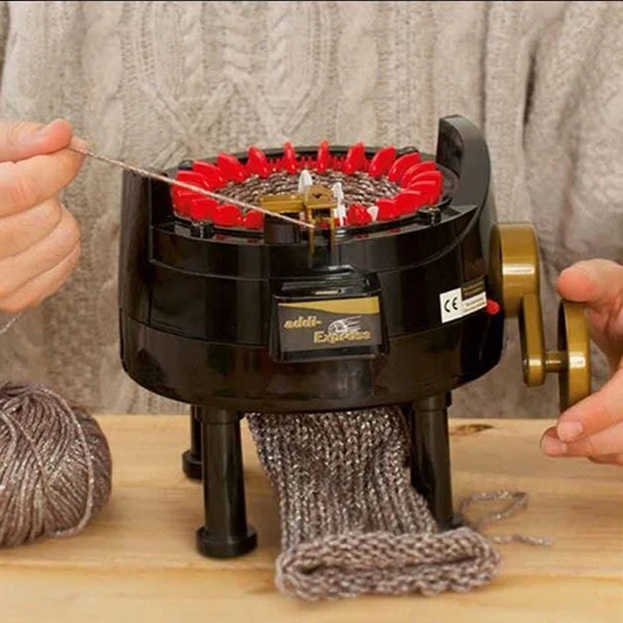
Domestic (home) Knitting Machines
For hobbyists and small makers, domestic options are perfect. They’re smaller, easier to use, and help bring ideas to life without too much effort. With knitting machines Australia-wide, anyone can pick one up and enjoy creating scarves, sweaters, or even gifts at home, all at their own pace.
Industrial Machines
These are the heavy-duty versions built for big projects. Factories rely on them to make clothing in large quantities with speed and precision. They’re powerful, efficient, and designed to handle non-stop work. While not for casual makers, they show just how far this craft has grown from its early days.
Tools and Accessories that Matter
It’s not just the main tool that makes a difference. Accessories like weights, extra needles, and yarn feeders help keep stitches even and smooth. These small add-ons can save time and prevent mistakes, making the whole process easier. With the right extras, every project feels more polished and enjoyable.
How to Choose the Right Machine For You
Consider What You Want to Make
It really depends on the project. If it’s just scarves, hats, or simple pieces, a basic tool will do. But for sweaters, cardigans, or bigger designs, something sturdier helps. Thinking about the end goal first makes it easier to pick the right setup and saves frustration later.
Gauge
Gauge is all about how thick or thin the yarn works with the tool. Some are great for chunky yarn, while others handle finer threads. Matching the yarn weight to the right gauge keeps the fabric neat and wearable. It’s a small detail that makes a huge difference.
Budget and Space
Not everyone has room for large equipment, and budgets vary. Smaller, affordable options are perfect for home use, while bigger ones need more investment and space. It helps to be realistic about what fits into everyday life so the tool feels like a joy, not a burden.
Ease of Use, Support and Tutorial Resources
Some tools are straightforward, while others take time to learn. Picking one that comes with guides, tutorials, or a community for support can make the process smoother. That way, new makers don’t feel lost and can enjoy the craft from the start without struggling through every stitch.
Interesting Facts About Knitting Machines

The First Knitting Machine: The Stocking Frame
Way back in 1589, the first tool of this kind was called the stocking frame. It was designed to speed up making socks, which were super popular at the time. Even though it looked simple compared to today’s versions, it changed how people thought about creating fabric forever.
Needle Density Transformed Fabrics
One clever feature was adjusting how many needles were packed together. More needles meant finer fabric, while fewer created thicker, warmer pieces. That flexibility let makers try out all sorts of designs. It showed how one small change in setup could completely transform the feel and look of clothing.
Modern Machines Can Knit Big Panels
Today, advanced versions can produce huge panels of fabric in one go. That means less sewing and faster production for things like sweaters, blankets, and even upholstery. What used to take ages by hand can now be done in a fraction of the time, opening doors for new creativity.


