
Tips on How to Allergy-Proof Your Bedroom
A warm bath – check. Cosy pyjamas – check. Screens turned off – check. You’ve created the optimal bedtime routine. Yet you wake up in the middle of the night with a stuffed nose, red eyes and scratchy throat. If you recognise some of the mentioned symptoms, there’s a chance you could be dealing with allergy. You’re not alone. Many people with seasonal allergies often experience worsening symptoms at night. While there is no cure for allergies, making your bedroom an allergy-free zone can help lessen the effects.
Opt for Anti Allergy Bedding
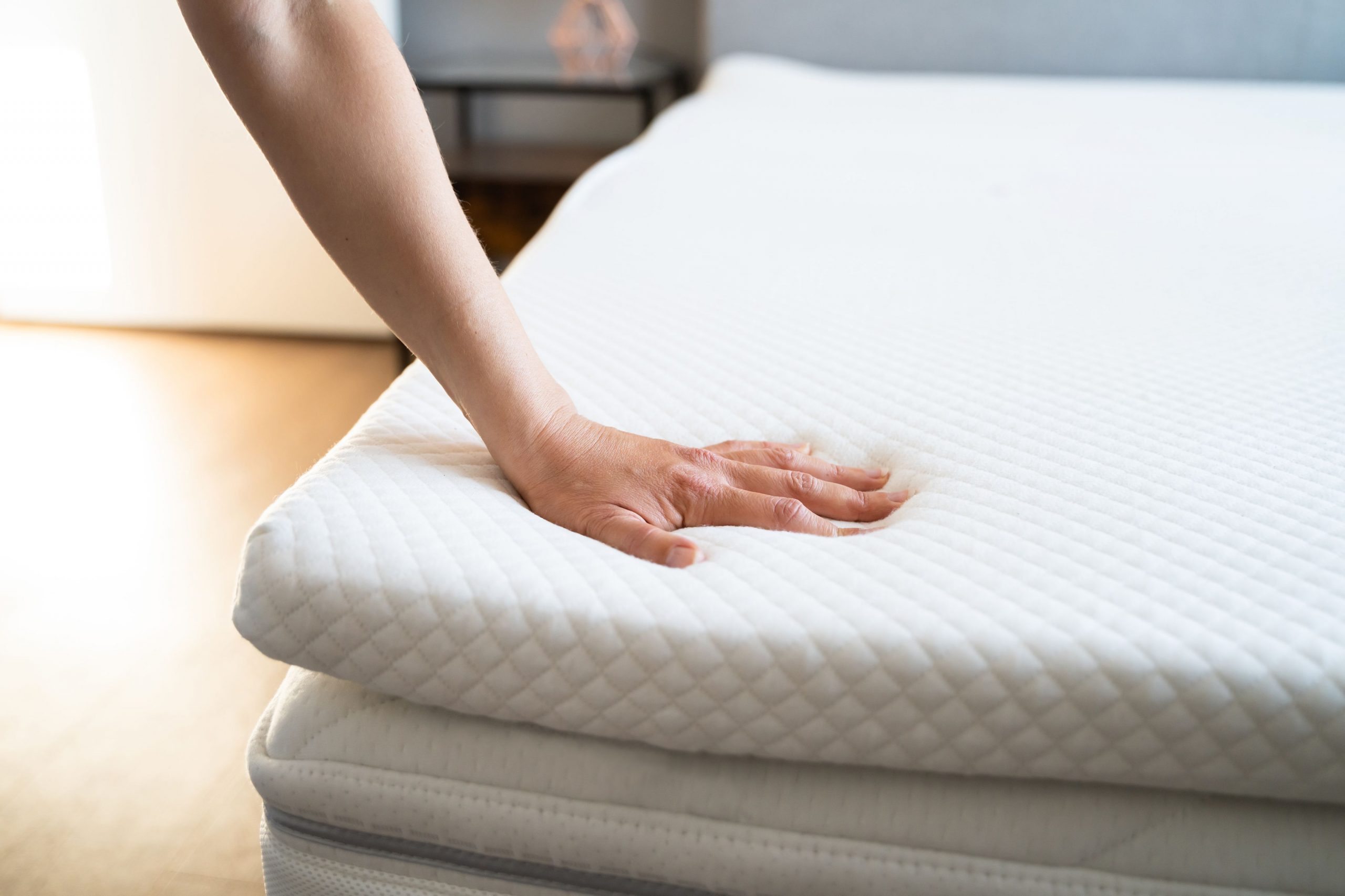
Dust mites prefer dark, warm, and humid environments. This makes your unprotected mattress a haven for them. Research shows that the average person shares a bed with over two million dust mites. Yikes. Investing in high-quality mattress toppers and protectors is one way to prevent bed bug infestations and allergies from ruining your sleep.
These removable bedding items are a great choice for allergy sufferers, especially the ones made from natural materials. Organic cotton, for instance, is very breathable and doesn’t trap moisture, so common allergens cannot blossom. Bamboo bedding is another excellent option known for being naturally hypoallergenic and dust mite-resistant.
You also want to ensure that the mattress toppers and protectors are tightly woven, with a pore size usually less than 10 microns. This prevents these microscopic pests and their waste from coming into contact with you. One way to find out if the topper or protector is tightly woven enough is to perform a water test. If you place a drop of water on the cover, it should roll back and forth like a bead of mercury. If it bleeds through, it indicates that the cover is not of sufficient quality, and maybe you should replace it with a new one.
Apart from keeping allergy symptoms at bay, a mattress protector has many other benefits. It adds a layer of support and comfort so you can enjoy better sleep without buying a new mattress. It can also prevent spills or accidents from soaking into your mattress and extends its lifespan.
In addition to such removable bedding, you should consider investing in pillow protectors for bed your set-up. Pillows are also a perfect breeding ground for mites and mould. Again you should look for a pillow protector with a tight weave that does not allow mites to penetrate. On a final note, anti-allergy bedding is certainly not the only solution but it can be a contributing factor to helping to reduce allergens.
Wash Your Bedding Frequently
Even with anti-allergen bedding, you still need to wash it frequently to get rid of dust, sweat, and saliva stains. As a general rule of thumb, it’s recommended that you wash your sheets and pillowcases at least once a week. You might want to wash them more frequently, like every three to four days, if you suffer from severe allergies.
The same goes for the removable bedding, so make sure you buy mattress toppers or protectors that are easy to maintain and clean by checking if they’re machine-washable. Set your machine to a 60° cycle and use allergy-friendly detergents that are safe, gentle, and free of dyes and fragrances. You can look for anti-allergy laundry detergents made with simple ingredients like baking soda, vegetable soap, and essential oils.
Declutter Your Bedroom
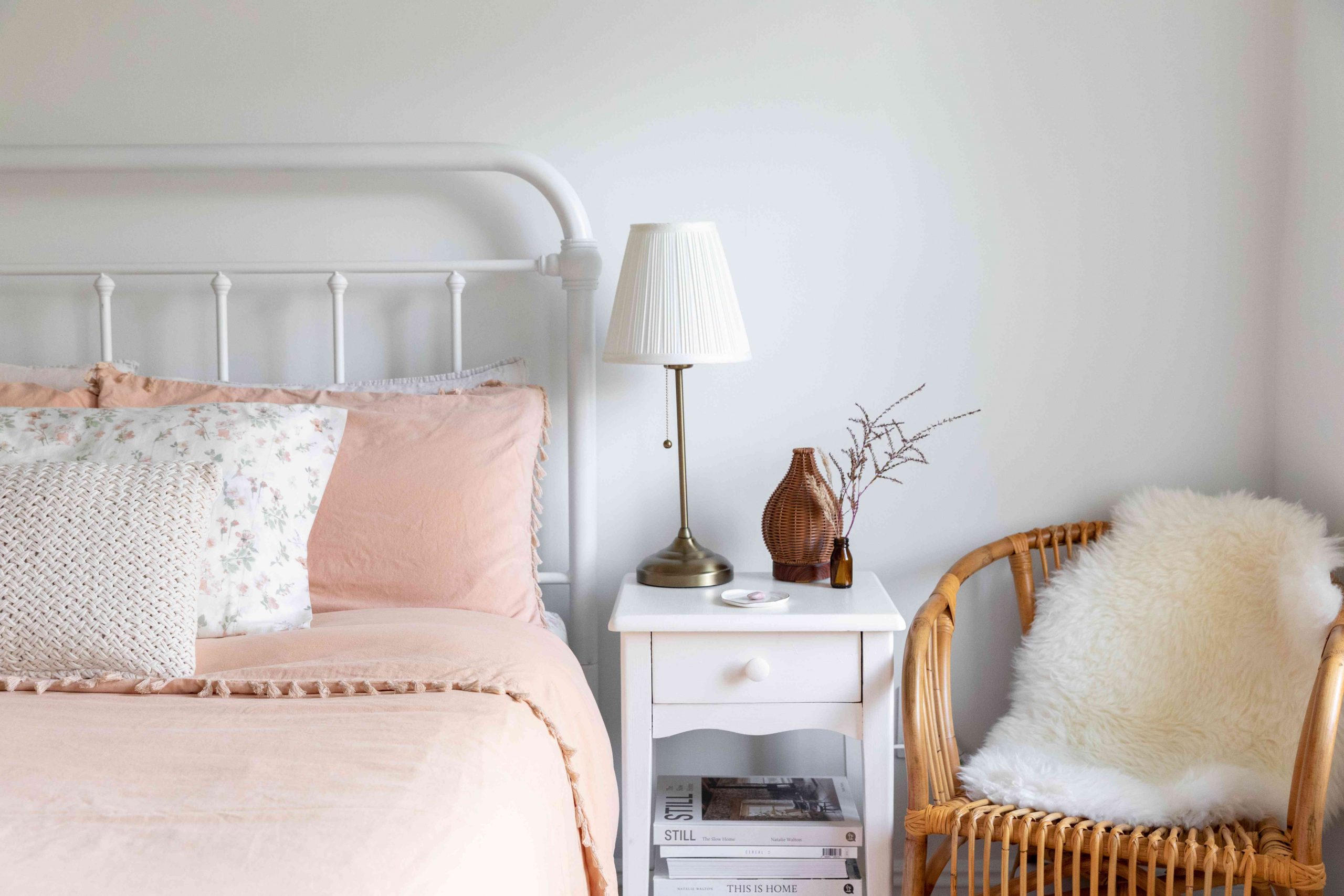
You may want to turn your bedroom into a cosy sanctuary with bed throws, decorative pillows, and cuddly stuffed animals. They look cute and stylish but are they safe? Textiles collect dust and draw dust mites. Cosy comforts like rugs and carpets can also generate a great amount of dust so you want to keep floors bare. If you still prefer to have a carpet in your bedroom, choose a low-pile kind, like one made of jute which holds fewer allergens. Vacuum it at least once a week, with a certified HEPA vacuum.
Books tend to collect lots of dust too, so you may want to keep your favourite read on the bedside table while moving the rest of your collection to another room. If you have a collection of picture frames on the walls they will likely collect dust as well. Consider what extras you can either throw away or shift to a different room.
Pick the Right Window Treatment
Dust-resistant blinds can enhance your bedroom décor and keep the relentless dust at bay. For instance, you can opt for sleek and modern Roman shades. With their flat, vertical surface they’re less likely to attract dust. Vertical blinds are also a practical solution for allergy sufferers. These window coverings are less likely to gather dust because of their large, vertical slats. Wood blinds are another beautiful and great choice for people with allergies – dust mites are less drawn to wood than to fabric window coverings.
Avoid heavy drapes as they are a magnet for dust, pet hair, and other allergens. If you still prefer to have curtains in your bedroom, opt for machine-washable ones, so you can easily remove allergens through regular cleaning. Also, don’t forget to keep your windows closed as much as possible during high pollen seasons to reduce your overall exposure to pollen.


