
Decaf Coffee 101: Exploring the Flavour and Health Benefits
Many coffee lovers enjoy the rich aroma and smooth flavour of freshly-brewed coffee. However, sometimes the caffeine content inside a regular cup of coffee can be too overwhelming, leaving you feeling jittery and on edge for the entire day ahead.
If you love the flavour depth and rich scent of fresh coffee but would like to enjoy the warm drink without the caffeine boost, then decaf coffee might be just what you’re looking for.
It has long had an unfair reputation for being bland, watery, or lacking in flavour. However, thanks to modern processing methods, today, it has an impressive, rich flavour, for which even coffee lovers are giving up their morning cups of caffeinated goodness.
Join us as we explore the reasons why you should try decaf coffee, its benefits, and why it’s worth incorporating into your daily routine.
What Is Decaf Coffee?
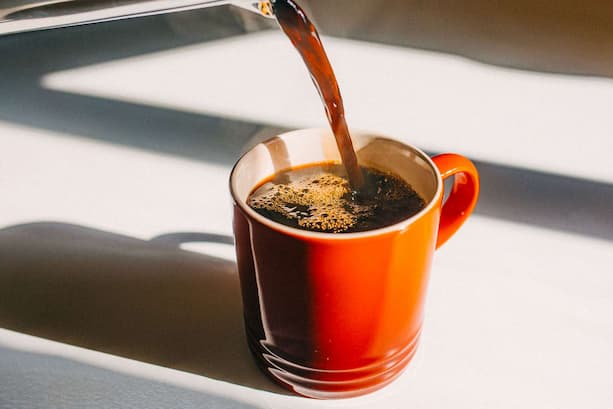
In simple terms, it’s coffee minus the large amounts of caffeine. While most people enjoy the energy boost that comes from caffeine, for some, it can cause restlessness, jitters, and even disturb their sleep cycle.
It was invented to provide coffee lovers with a caffeine-free alternative to their favourite drink. For many coffee lovers, the flavour profile and rich scent are what truly make coffee an enjoyable experience. With decaffeinated coffee, they can get most of the benefits that regular coffee provides, just without the energy boost.
For many years, it has had an unfair reputation as a cheap solution to coffee. However, that couldn’t be farther from the truth. In the past, many scientists struggled to decaffeinate coffee while preserving its flavour because most of the taste in coffee comes from the caffeine itself. Because caffeine is water-soluble, but so are the sugars, proteins and acids in the coffee, it can be difficult to remove the caffeine without removing everything else.
In recent years, scientists have discovered an efficient decaffeination method that successfully extracts the caffeine from coffee, while still preserving its flavour.
The Health Benefits of Switching to Decaf Coffee
While coffee is a great way to stay alert when you are tired, the caffeine that gives you the energy boost has many negative effects on your health. With decaf coffee, not only are you enjoying the rich flavour profile of a regular cup of coffee, but you’re also getting benefits that regular coffee cannot provide.
Here is a list of benefits to look forward to when switching from caffeinated coffee:
- Reduced Dehydration: Because caffeine increases blood flow to the kidneys, leading to higher release of water through urine, it can leave you feeling dehydrated and drowsy. On the other hand, decaf coffee contains very little caffeine and can even contribute to your daily fluid intake.
- Less Anxiety: One of the many side effects of caffeine is increased anxiety throughout the day. Decaf is a great alternative for those who are extremely sensitive to caffeine and who find themselves feeling restless after a cup of regular coffee.
- Lower Risk of Type II Diabetes: Because decaffeinated coffee contains ingredients such as chlorogenic acid, it can support blood sugar control and even reduce your risk of developing type II diabetes.
- Improved Sleep: With decaf coffee, there isn’t a window of time in which you must drink it in order to have a good night’s sleep. Caffeine increases the blood flow in your body, leaving you feeling restless at night and even unable to sleep. However, because decaf bean has minimal caffeine, you’ll be able to sleep soundly even if you have a cup later at night.
How to Brew Decaf Coffee for the Best Flavour
When it comes to preparing a delicious decaf coffees, the brewing technique is key. To make a flavourful cup, you must measure the exact ratio of coffee to water, brew it at the exact temperature and drink it at the perfect time.
Here is a simple step-by-step guide on how to brew the perfect cup:
Step 1: Before brewing your first cup, select high-quality, decaf beans to make your morning cup of coffee enjoyable. When you’re bean browsing, look for medium roast beans that create an ideal balance of the acidity and body of the decaffeinated coffee. The flavour profile of your beans matters as well. Nutty, chocolaty or caramel beans retain the flavour of the coffee even when the caffeine is extracted.
Step 2: Now that you’ve selected your beans, or even better, gotten a pack of already ground coffee, it’s time to start the brewing process. If your coffee isn’t ground, ensure you finely grind the coffee beans with a grinder to extract the maximum flavour.
Step 3: Prepare a kettle and wait for the water to heat. The ideal water temperature for brewing decaf coffee is about 96°C, which is right before the water starts to boil. Measure as much coffee as you’d like. Some people prefer a stronger flavour profile, while some people like weaker coffee to fully savour the experience.
Step 4: Choose your brewing equipment of choice. This step is entirely based on your preferences. You can make your coffee in a French press, a pour-over dripper, a pot, or even in an espresso machine.
Step 5: Once you’ve finished brewing your coffee, serve it as you prefer. You can pour it into your favourite mug for the ultimate comfort experience, or into a fancy glass cup for a classic café experience.
Step 6: You can enjoy your coffee decaf beverage as it is, or you can add a splash of milk, frothy foam, some cacao, and even cinnamon powder to top it all off.
Debunking Common Myths About Decaf Coffee
When any conversation floats towards the experience of decaf coffee, a bad reputation seems to follow in its wake. However, the myths you’ve probably heard about the decaf alternative aren’t remotely true, and it’s finally time to fully debunk them, so you can enjoy your cup of decaf goodness without misconceptions and prejudices.
Here are some common mistakes and myths most people believe in about it:
- No Caffeine: You’ve probably heard people say that decaf coffee has no caffeine. However, that isn’t the truth. Although most of the caffeine from decaf is extracted, a small amount remains even after the process of decaffeination. For those looking to cut back on caffeine, decaf is the perfect balance.
- Tastes Bland: In the past, decaffeinated coffee used to have a strange flavour. That is because it’s fairly complicated to extract the caffeine from the coffee without removing other flavourful substances. However, today, with the help of modern technology, there are new ways to extract caffeine from coffee, resulting in a delicious and satisfying final flavour.
- No Health Benefits: Some people have started misguided conversations saying that decaffeination also removes the antioxidants that provide health benefits from coffee. Nonetheless, decaffeination only removes the caffeine from the coffee; the healthy antioxidants still remain. In truth, decaf coffee might have even more benefits without the jittery caffeine interrupting your heart rate and blood flow.
Conclusion
In conclusion, decaf is a great coffee alternative for those who love the rich aroma and taste of coffee but dislike the effect that caffeine has on their body. Whether you’re new to the world of decaf or an experienced enjoyer, learning some fun facts and interesting benefits might excite you to get out of your comfort zone and try the many different flavours and combinations of decaf the coffee world has to offer.
Trying new things can be scary, especially if you’ve built them up in your head. Nevertheless, everything new you try is a potential favourite experience waiting to happen. Enjoy your newfound knowledge, and put it to the test by brewing a fresh cup yourself.


