
A Comrephensive Overview of Archery Essentials
Entering the adventurous field of archery is not only a matter of commitment and focus but also one of getting the right tools to facilitate a successful entry into this sport. Having existed as one of the oldest sports known to humanity, archery requires both physical and mental concentration. If you are motivated by traditions, are fascinated by target shooting, or just looking for a fun activity during weekends, having your own set of equipment helps you learn consistently.
Target
Having a reliable target is the absolute key to your practice routine. Without a good backstop for your arrows, you will not be able to assess your performance or create a consistent aiming method. First and foremost, having a good archery target means that it will absorb the shot safely without breaking down your arrows. Furthermore, a proper target will provide you with visual feedback to see where your arrows are hitting and help you align your body or sight pin to improve your aim.
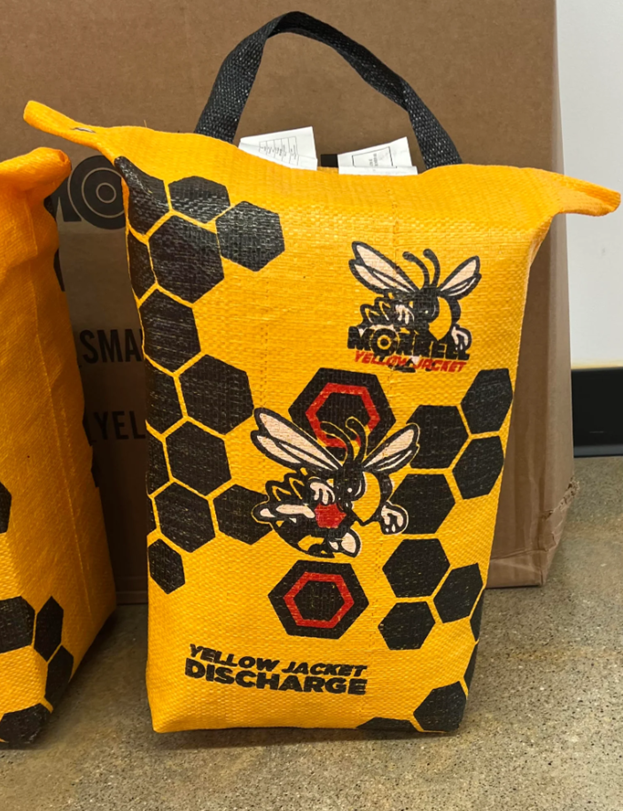
There are several kinds of archery targets that you may want to consider for your practice. Layered foam targets are an absolute must-have for beginning archers who train in their backyards. This kind of target uses friction to slow down the arrow as it hits the target, stopping the shot in its place. Moreover, it is very easy to remove the arrows as they do not get stuck due to compression. Bag targets are another great alternative for archers who shoot with high-powered bows. In most cases, bag targets are filled with synthetic fibers and can absorb thousands of shots fired from a compound or recurve bow.
In order to use an archery target effectively, it is necessary to pay great attention to safety and positioning. It is important to set up your target in a way that it will be on a flat stand to protect the target from toppling over after receiving a heavy arrow. It is essential to have a safe “downrange” zone where there is something that can stop an arrow if it fails to hit the target, for example, a dirt pile or a special net. For your practice sessions, it is wise to change your shooting point every time rather than aim for the same central point.

Bow
This is the primary equipment used in this sport and is regarded as an extension of yourself. As a beginner, you have two options to choose from when choosing the right bow. You can choose between the traditional recurve bow and the compound bow. Recurve bows come with curved limbs on both sides that bend away from the archer once the bow is unstrung. It is a highly recommended choice by many schools and archery clubs since it offers the perfect introduction to the basics of archery, such as holding the weight of the bowstring.
Compound bows utilize a set of cables and pulleys to reduce the weight of the string after you achieve full draw. This helps in holding the draw for longer periods without straining your muscles. Draw weight and length are the two things that one should consider before choosing theirs first bow. The draw weight should allow you to pull the string without straining and repeatedly do it around twenty to thirty times. Beginning with a heavy bow can cause shoulder injuries.
Arrows
Care should be taken to select an arrow that will work well with your bow, because if not, they may not shoot straight and will be unsafe. Arrows come in materials such as fiberglass, aluminum, or carbon fiber. Fiberglass is strong and cheap, making it perfect for new and young archers. Aluminum is good when you want something consistent but also affordable. Carbon fiber is preferred by target shooters since it is extremely strong, lightweight, and always stays straight.
Protective Gear
The importance of safety in archery cannot be overstated, as the use of appropriate protective equipment will help ensure that you do not end up with painful abrasions. A good example of such protective gear is the arm guard, which is worn around the forearm to shield the skin from the bow string once you draw and release the arrow. Regardless of your technique, there is always the risk of getting welted by the bow string, hence the need for the arm guard.
Accessories
The smaller accessories you own play an important part in organizing your equipment and ensuring consistency of your shots. A quiver is a very practical accessory that can be placed on your hip or back and helps you carry arrows safely while you shoot. Such a quiver allows you to have your shafts within easy reach and avoid their falling onto the floor and getting lost, stepped on, or broken. In addition, a basic bow stand can serve as an accessory to keep your bow away from the grass as you collect your arrows.
Some other popular accessories include the bow sight that will be mounted on the riser to help you hit your target at certain distances and the stabilizer rod attached to the front of your bow. The latter helps to balance your bow and make it steady when shooting in windy conditions.


