
A Beginner’s Guide to Climbing Ropes: Types, Uses, and Safety Tips
Rock climbing pulls you into a world where strength, focus, and a bit of courage come together on the wall. Every move requires thought, balance, and trust in your equipment. When you clip in and start climbing, your gear becomes your safety system.
Your harness holds you, your rock climbing shoes provide the needed stability on varied terrain, your belay device controls the rope, and your helmet protects you from unexpected hazards. Yet one piece of equipment carries an especially important role in keeping you safe: the rope.
Climbers rely on ropes to catch falls, support movement, and connect the entire climbing system. Once you understand how climbing ropes work and how to choose the right one, you’ll feel far more confident every time you leave the ground.
What is a Climbing Rope?
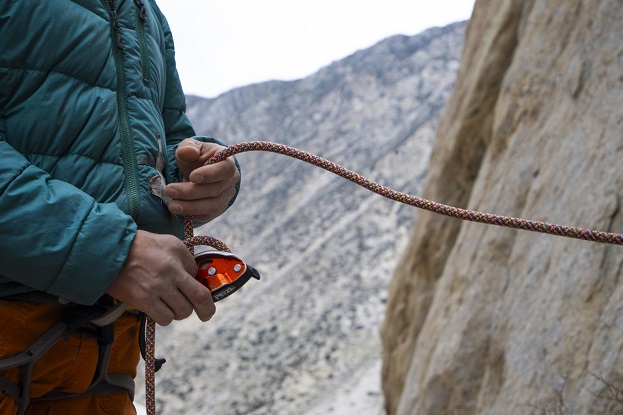
A climbing rope forms the central link between you, your belayer, and the anchor system above you. When you climb, the rope travels from your harness through protection points and back to your belayer. If you fall, the rope catches you and spreads the force of that fall across the system.
Manufacturers build these ropes with a two-part structure:
- Core: the inner fibres that provide the rope’s strength.
- Sheath: the protective outer layer that shields the core from abrasion.
Most ropes use nylon fibres because they combine strength, flexibility, and durability. The rope stretches slightly when it catches a fall, which reduces the impact on your body and your gear.
This controlled stretch plays a huge role in climbing safety. Without it, the force generated by a fall could transfer directly to your harness and protection points.
Climbing ropes also undergo strict safety testing before they reach the market. Certification bodies measure how well a rope absorbs energy, how many falls it can withstand, and how much force it transfers during impact.
Main Types of Ropes
As you explore climbing equipment, you’ll notice several rope systems designed for different climbing styles. Each system supports a specific way of protecting and managing the climb.
When you decide to buy climbing ropes, choose reliable equipment from specialist climbing retailers. Detailed product descriptions and specifications help you compare ropes and find the one that suits your climbing plans.
Single Ropes
Single ropes serve as the most common setup in climbing. You use one rope throughout the climb, clipping it into protection as you move upward.
Climbers often choose single ropes for:
- Sport climbing routes;
- Indoor climbing sessions;
- Many outdoor climbing areas.
These ropes usually measure between 9 and 10.5 mm in diameter, which gives you a solid balance of durability and easy handling.
Half Ropes
Half ropes work in pairs. As you climb, you clip each rope into different protection points along the route. This technique helps when routes wander across the rock face. By alternating the ropes, you reduce friction and keep the rope running smoothly. Half ropes also give you extra security and allow longer descents when you rappel.
Twin Ropes
Twin ropes also come in pairs, but you clip both ropes into the same protection points throughout the climb. Because they tend to be thinner and lighter, climbers often use twin ropes on long alpine routes where reducing weight becomes important.
Dynamic vs Static Ropes
When choosing climbing equipment, you’ll quickly notice the difference between dynamic and static ropes. Each type serves a specific purpose.
Dynamic Ropes
Dynamic ropes stretch under load. That stretch absorbs the force created when you fall. Climbers rely on dynamic ropes for most climbing activities because they protect both the climber and the gear. The elasticity softens the impact and prevents sudden force from damaging protection points.
You’ll use dynamic ropes for activities such as:
- Lead climbing;
- Sport climbing;
- Indoor climbing;
- top-rope climbing.
Static Ropes
Static ropes stay firm and barely stretch under load. This characteristic makes them useful for technical tasks where movement needs to remain stable.
Climbers and rope technicians use static ropes for:
- Hauling equipment;
- Rescue systems;
- Fixed rope access.
Static ropes do not absorb fall forces well, so climbers avoid using them in situations where a fall could occur.
Understanding Rope Specifications
When you pick up a rope for the first time, the label might look like a page of technical data. Those numbers actually help you understand how the rope performs.
Rope Diameter
Diameter affects both durability and handling. Thicker ropes usually last longer and resist abrasion better. Thinner ropes weigh less and run smoothly through belay devices. Many beginners prefer ropes around 9.8–10.2 mm because they feel sturdy and easy to control.
Rope Length
Climbing routes vary in height, so rope length matters. Most ropes come in standard lengths such as 60, 70, or 80 metres. Many outdoor sport routes require a 60-metre rope at minimum, while longer climbs may need a 70-metre rope. Before you climb outdoors, always check the recommended rope length for the area.
Dry Treatment
Some ropes include a special coating that repels water and dirt. This treatment protects the fibres and helps the rope maintain its strength in wet environments. Dry-treated ropes perform particularly well in alpine climbing, ice climbing, and unpredictable mountain conditions.
Safety Ratings
Climbing ropes undergo rigorous testing to meet international safety standards. These tests measure factors such as impact force and fall resistance. When you review these ratings, you gain insight into how the rope performs under stress and how much energy it absorbs during a fall.
Choosing the Right Ropes
When the time comes to buy climbing ropes, choosing might feel like a big decision. A few simple guidelines can help you narrow down the options.
Look for a rope that offers:
- A diameter of 9.8–10.2 mm for easy handling;
- A length of 60–70 metres for versatility;
- A dynamic construction designed for climbing falls.
This type of rope works well for most beginners and adapts easily to both indoor gyms and outdoor routes.
Safety Tips for Using Climbing Ropes
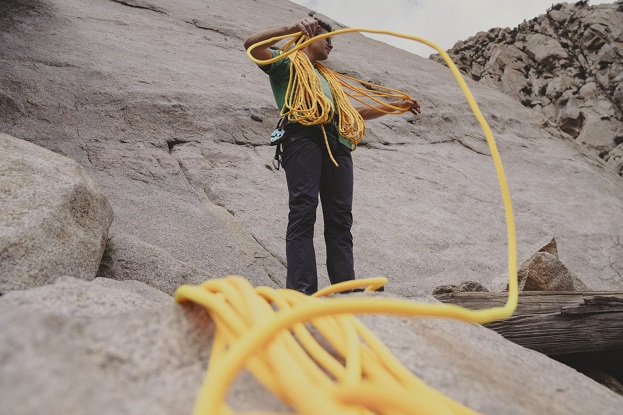
Ropes perform best when you care for them properly. Simple habits can extend their lifespan and keep your climbing system reliable.
Inspect Your Rope
Before each climb, run the rope through your hands and check its condition. Look for signs such as:
- Frayed sections of the sheath;
- Unusually soft or flattened spots;
- Visible cuts or damage.
Protect the Rope During Climbs
Try to avoid stepping on it or dragging it across rough ground. Dirt and sand can work their way into the fibres and accelerate wear. A rope bag or groundsheet helps keep the rope clean while you climb.
Store It Properly
After climbing, store your rope in a cool, dry place. Keep it away from chemicals, sharp objects, and prolonged sunlight exposure. Good storage prevents unnecessary damage and helps the rope maintain its strength over time.
Know When to Retire Your Rope
Every rope eventually reaches the end of its life. Heavy use, repeated falls, or visible damage all signal that it’s time to buy climbing ropes and replace them. Replacing worn gear protects both you and your climbing partners.


